
Introduction (Best Electric Vehicles 2026 Market Trend)
The shift toward electric mobility accelerates across the United States as drivers search for smarter and cheaper transportation. Rising fuel prices, expanding charging infrastructure, and stronger government incentives make the best electric vehicles 2026 more accessible than ever. Many households now compare running costs rather than horsepower, because electricity often beats gasoline in long-term value. At the same time, manufacturers compete aggressively, launching efficient models designed for everyday commuting and family use. Buyers today focus on range, charging speed, and technology while also weighing EV ownership cost and resale outlook. Improvements in battery design also help stabilize electric vehicle range winter vs summer, which reassures new adopters. With leasing incentives and new financing programs supporting EV leasing deals 2026, choosing from the top EVs in America no longer feels experimental but practical, affordable, and forward-thinking.
How We Ranked These Electric Cars
Value means more than sticker price. Evaluation included efficiency, resale outlook, insurance cost, and real-world charging access. Reliability mattered strongly. Sources such as Consumer Reports influence EV reliability ratings and ownership satisfaction.
Safety scores also shaped rankings. Models with IIHS Top Safety Pick+ EV recognition scored higher for family use. Ownership comfort also included infotainment systems such as Android Auto in EVs and Apple CarPlay compatibility, which remain decisive features for daily drivers.
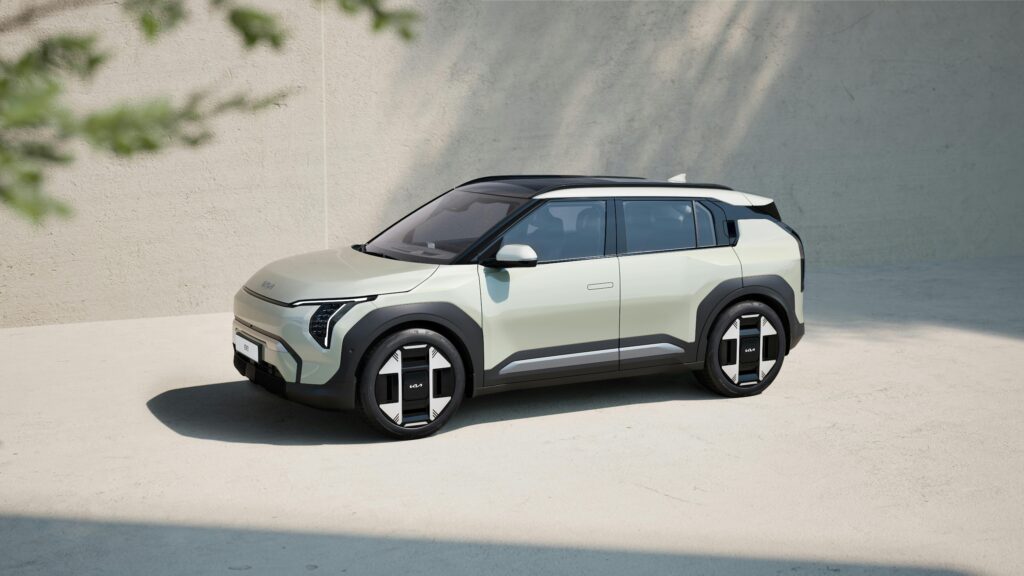
Quick Comparison Table – Best Electric Vehicles 2026
| Model | MSRP Range | Estimated Range | Charging Type | Ownership Value |
| Kia EV4 | $38K–$42K | 300 mi | Fast Charge | Excellent |
| Chevrolet Bolt 2027 model | $40K | 280 mi | Fast Charge | Excellent |
| Nissan Leaf | $45K | 260 mi | Level 2 / DC | Strong |
| Hyundai Kona Electric | $44K | 290 mi | Fast Charge | Strong |
This table highlights affordability plus efficiency. Buyers comparing home charging vs public charging costs often see major savings over gasoline vehicles.
Detailed Reviews of Each Model – Top EVs in America
10. 2026 Toyota bZ – Affordable Long Range Electric Vehicles
Toyota enters the value EV segment with steady engineering confidence. The platform prioritizes durability and winter range stability. That matters because electric vehicle range winter vs summer can vary widely in northern states.
Interior ergonomics feel familiar. Buyers moving from hybrids adapt quickly. Toyota also benefits from experience with models like the Toyota RAV4 Plug-in Hybrid 2026, helping bridge understanding of plug-in hybrid vs electric vehicle ownership differences.
9. 2026 Kia Niro EV – Practical Battery-Electric Hatchback
The Niro remains a sensible urban companion. Its footprint suits city streets yet still offers strong cargo flexibility. As a battery-electric hatchback, it balances affordability with useful driving range.
Technology remains a selling point. Integration with the NACS charging port improves compatibility across networks. That makes road trips easier while improving resale prospects and lowering long-term EV ownership cost.
8. 2026 Toyota C-HR – Reliable Compact Electric SUV
Toyota targets younger drivers with this redesigned crossover. Styling appeals strongly to first-time EV buyers. Reliability expectations benefit from Toyota’s cautious engineering approach.
The model suits commuters seeking stable efficiency rather than extreme performance. Families wanting predictable maintenance costs often prioritize the most reliable electric car category over speed or luxury.
7. 2026 Nissan LEAF – Proven Affordable Electric Choice
The LEAF continues as a gateway EV. Improvements in battery cooling extend durability and improve the Nissan Leaf 2026 range during highway driving.
Charging compatibility improves too. Access to expanded networks including the Tesla Supercharger Network access through adapters increases flexibility. Such improvements help maintain relevance despite newer competitors.
6. 2026 Hyundai Kona Electric – Efficient Daily Driver
Hyundai refines efficiency and cabin comfort. Strong regenerative braking enhances city mileage. Drivers appreciate predictable energy use and dependable range estimates.
Performance remains moderate yet responsive. For buyers comparing sportier models like the Hyundai Ioniq 5 N performance, the Kona feels calmer yet far more affordable.
5. 2027 Kia EV5 – SUV Value Leader
The EV5 blends family practicality with sharp styling. Interior materials feel upscale despite budget positioning. That mix appeals strongly to suburban buyers upgrading from gasoline SUVs.
Fast-charging improvements reduce travel stress. Strong DC fast charging speed allows meaningful range recovery in short stops, improving long-distance usability for American road trips.
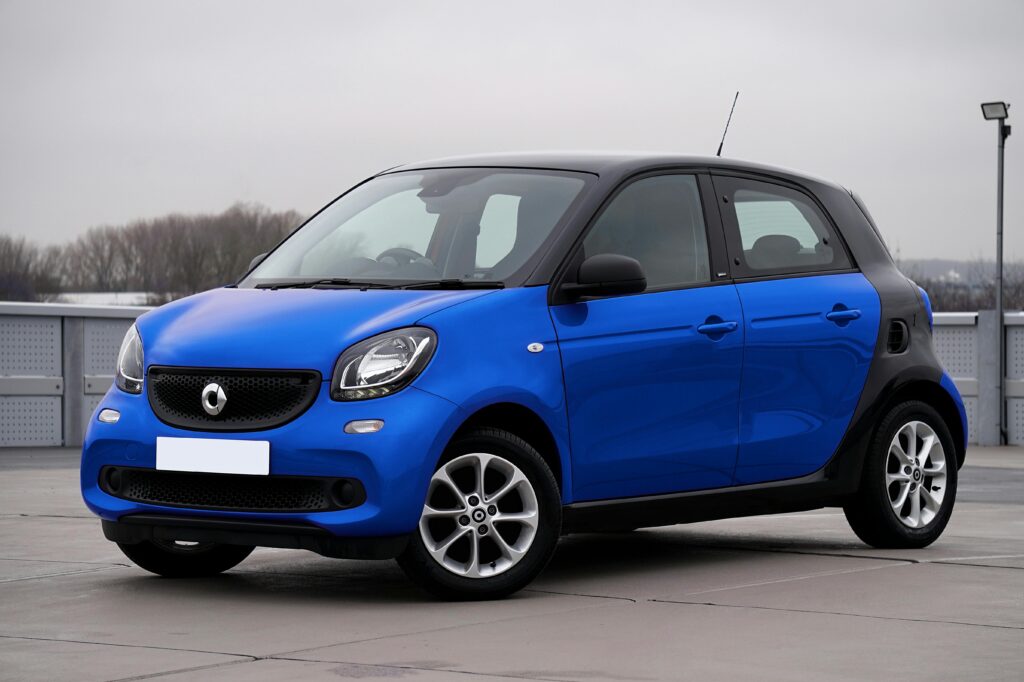
4. 2026 Subaru Uncharted – Adventure-Ready Electric SUV
Subaru’s reputation for durability shapes this electric entry. Standard all-wheel traction suits snowy climates and mountain roads. Outdoor enthusiasts appreciate reliability when traveling far from urban infrastructure.
The design hints at future electric off-road vehicle possibilities. Drivers who currently admire machines like the GMC Hummer EV off-road may find Subaru’s lighter, cheaper alternative appealing.
3. 2027 Chevrolet Bolt – Comeback Budget Champion
The redesigned Bolt focuses on simplicity and cost control. Engineers improved battery chemistry and thermal management. These updates strengthen reliability and extend service life.
The Chevrolet Bolt 2027 model also improves cabin refinement. Buyers comparing compact EVs often see it as the most rational purchase when balancing price, efficiency, and long-term durability.
2. 2025 Fiat 500e – Urban Efficiency Specialist
This small EV thrives in dense cities. Its compact size suits tight parking spaces and short daily trips. Electricity consumption stays low, which improves running costs significantly.
While not ideal for highways, city commuters benefit most. Leasing incentives make it attractive among EV leasing deals 2026, especially for drivers seeking a second household vehicle.
1. 2026 Kia EV4 – Most Affordable EV Winner
The EV4 combines range, technology, and price into one balanced package. Buyers gain strong efficiency plus modern connectivity. That rare mix explains its top ranking.
Its performance suits everyday driving without excessive cost. While not a performance electric car like the Ford Mustang Mach-E Rally, it delivers enough acceleration to feel lively and modern.
Most Affordable EV in 2026 – Ownership Value Winner
True affordability includes charging, insurance, and resale outlook. Models with efficient battery management often save thousands over ownership cycles. Those savings accumulate quietly but significantly.
Vehicles with strong warranty coverage reduce risk further. Buyers evaluating long-term finances often find electric ownership cheaper than gasoline within five years.
EV Buying Guide 2026 – Charging, Range, and Costs
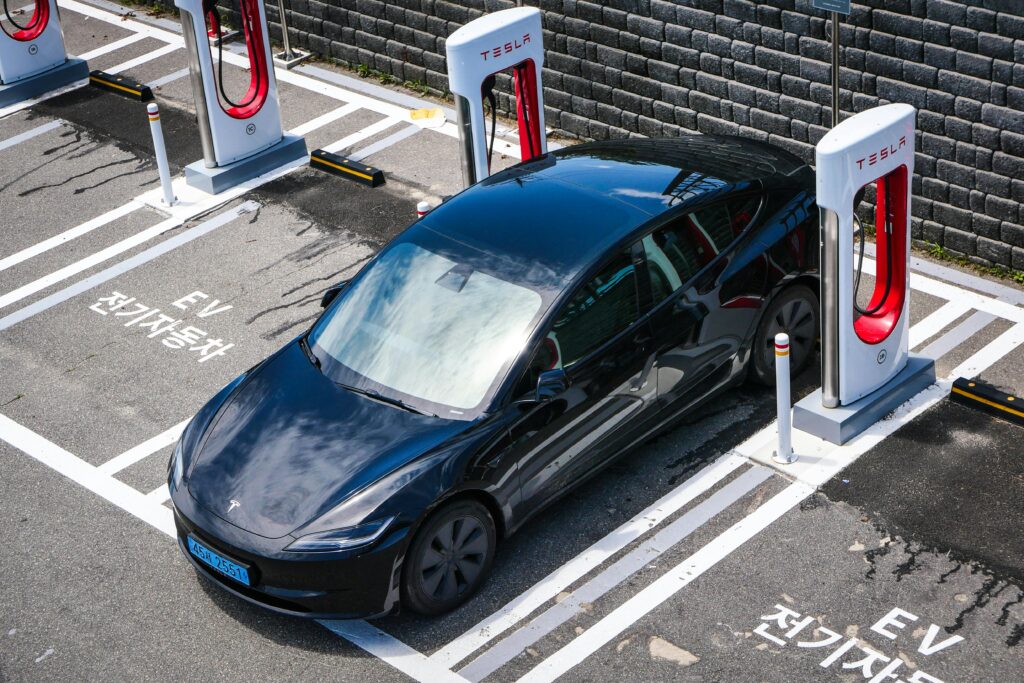
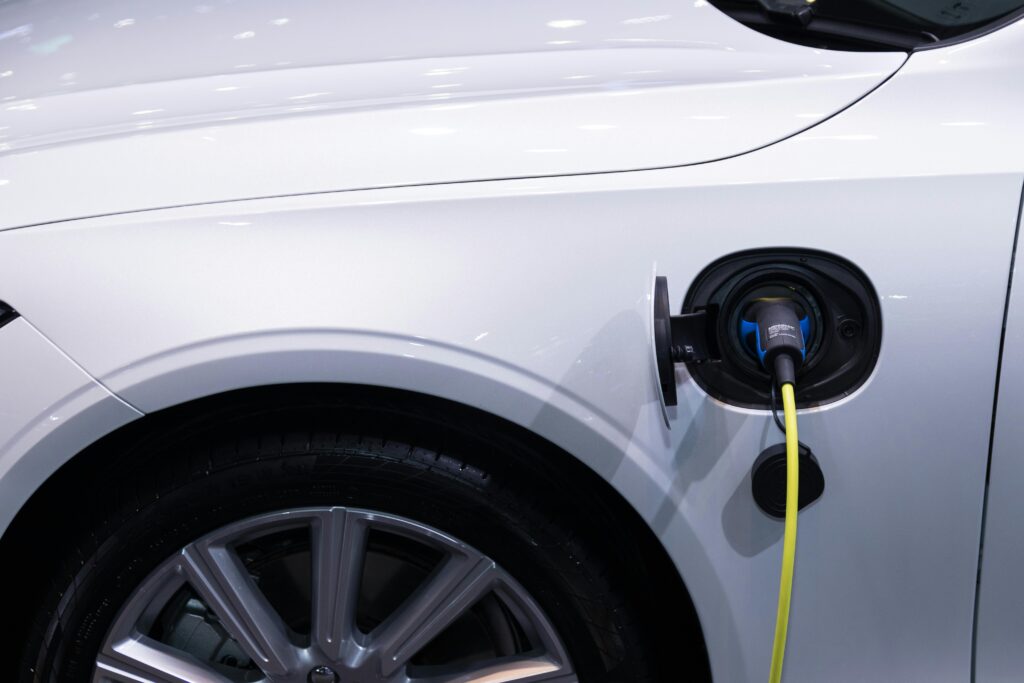
Charging infrastructure continues expanding nationwide. Installing a Level 2 home charger now costs less than many expect. Overnight charging reduces reliance on public stations.
Network compatibility also matters. Vehicles supporting the Tesla Supercharger access ecosystem or universal connectors gain flexibility and resale value across the American market.
Cost of Ownership Comparison – Electric vs Gasoline
| Factor | Electric Vehicle | Gas Vehicle |
| Fuel cost yearly | Low | High |
| Maintenance | Minimal | Frequent |
| Depreciation trend | Stabilizing | Predictable decline |
| Charging cost at home | Cheap | Not applicable |
Lower servicing needs drive savings. Electric motors lack oil systems, belts, or exhaust components, dramatically reducing upkeep complexity.
Are Electric Cars Worth It in 2026?
Electric cars now suit most driving lifestyles. Charging networks expand quickly and range anxiety fades. For commuters, home charging creates daily convenience.
Performance also improves widely. From compact cars to luxury models like the Genesis GV60 luxury EV, modern EVs deliver quiet speed, advanced safety, and impressive technology integration.
Final Verdict – Best Electric Vehicles 2026
Electric cars are no longer a futuristic idea; they are quickly becoming the smart everyday choice for American drivers. As fuel prices stay unpredictable and technology keeps improving, the best electric vehicles 2026 lineup offers stronger value than ever before. Automakers now compete to deliver longer range, faster charging, and lower maintenance, which helps reduce overall EV ownership cost for families and commuters alike. Charging has also become easier thanks to affordable home solutions like a Level 2 home charger and wider public networks with Tesla Supercharger access expanding nationwide. Because of these improvements, buyers comparing the top EVs in America now focus less on compromise and more on convenience, savings, and long-term reliability. This guide highlights the most affordable electric vehicles you can buy in 2026 without sacrificing comfort, technology, or everyday usability.
FAQ Section – Best Electric Vehicles 2026
What is the most inexpensive electric powered car inside the U.S. Several compact EVs compete for that title. Budget models like the Bolt or EV4 often lead due to incentives and efficient batteries.
Do electric cars save money long term?
Yes. Lower fueling and maintenance costs reduce expenses. Savings increase when charging primarily at home rather than public stations.
Are EVs reliable now?
Modern electric vehicles show improving durability. Independent data including Consumer Reports EV reliability rankings confirm steady progress.
Meta Description
Discover the top 10 most affordable electric vehicles in 2026. Compare prices, range, features, and find the best EVs for budget-friendly driving.