
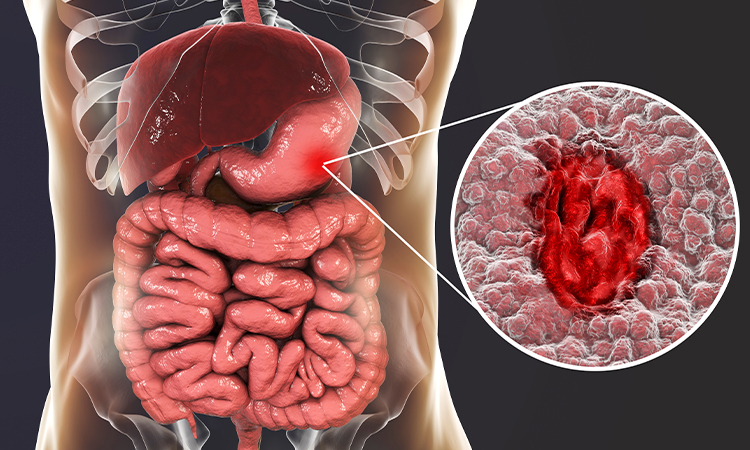
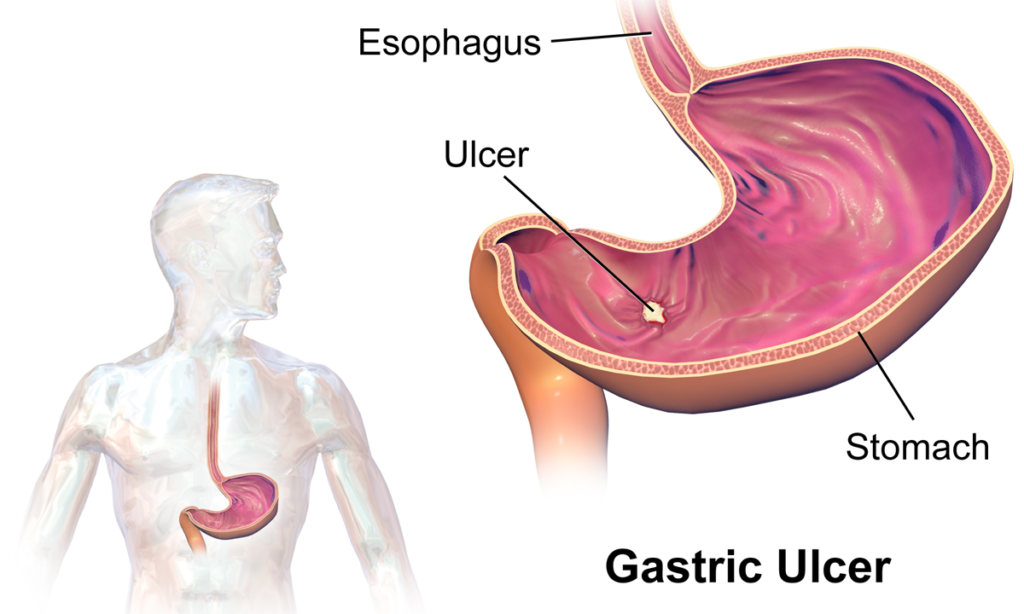
A gastric ulcer, also known as a stomach ulcer, is an open sore that forms on the lining of the stomach.It happens when strong stomach acid damages the protective layer of the stomach. This damage creates a painful wound that can bleed or become serious if not treated on time. Stomach ulcers are common, treatable, and usually heal well when the cause is properly identified and managed.
In the United States, millions of people are treated for stomach ulcers every year. Most ulcers develop because of a bacterial infection called Helicobacter pylori (H. pylori) or frequent use of common painkillers like aspirin or ibuprofen. Understanding the symptoms, causes, and treatments can help you protect your digestive health and avoid serious complications.
What Is a Stomach Ulcer?
A belly ulcer is a sort of peptic ulcer ailment. Peptic ulcers are sores that develop in areas where digestive acid is present. When the ulcer forms inside the stomach, it is called a gastric ulcer. When it forms in the upper part of the small intestine, it is called a duodenal ulcer.
Stomach ulcers often cause focused pain in the upper abdomen, usually between the chest and belly button. The pain may feel burning, aching, or gnawing. However, not all stomach ulcers cause symptoms. Some people have silent ulcers and only discover them when complications occur, such as bleeding.
Although stomach ulcers are common, they should never be ignored. Without treatment, an ulcer can bleed, create a hole in the stomach wall, or lead to infection.
Signs and Symptoms of a Stomach Ulcer
The most common symptom of a stomach ulcer is burning stomach pain. This pain often gets worse when the stomach is empty and may improve temporarily after eating or taking antacids. Many people also experience indigestion, which includes discomfort, fullness, or bloating after meals.
Other common symptoms include nausea, vomiting, frequent burping, gas pain, heartburn, and acid reflux. Some people feel full very quickly when eating or lose their appetite over time.
In some cases, stomach ulcers cause no noticeable symptoms. These silent ulcers can be dangerous because they may bleed without warning. Signs of serious complications include pale skin, dizziness, weakness, black or tar-like stools, vomit that looks like coffee grounds, and sudden severe abdominal pain. These symptoms require immediate medical attention.
What Causes Stomach Ulcers?
The two main causes of stomach ulcers are H. pylori infection and overuse of nonsteroidal anti-inflammatory drugs (NSAIDs). Together, these causes account for almost all stomach ulcers treated by healthcare providers in the U.S.
H. pylori Infection
H. pylori is a very common bacterial infection that lives in the stomach. Many people have it without knowing because it often causes no symptoms. In some people, the bacteria damage the stomach’s protective lining and cause long-term inflammation. Over time, this inflammation allows stomach acid to create ulcers.
NSAID Use
NSAIDs such as aspirin, ibuprofen, and naproxen are widely used to treat pain, inflammation, and fever. These medications irritate the stomach lining and also block chemicals that help protect and repair it. When NSAIDs are used frequently or in high doses, the stomach lining becomes weaker and more vulnerable to acid damage.
Other Less Common Causes
Some stomach ulcers develop from severe physical stress, such as serious illness, major surgery, or injury. Rare conditions like Zollinger-Ellison syndrome, which causes the stomach to produce too much acid, can also lead to ulcers. In rare cases, other infections may damage the stomach lining.
Risk Factors and Lifestyle Triggers
Everyday stress and diet do not directly cause stomach ulcers, but they can make symptoms worse. Smoking increases stomach acid and slows healing. Alcohol irritates the stomach lining and increases the risk of bleeding. Spicy, acidic, or fatty foods can worsen pain and discomfort in people who already have ulcers.
Long-term use of painkillers, especially without food, significantly increases ulcer risk. Older adults and people with a history of ulcers are also more vulnerable.
How Stomach Ulcers Are Diagnosed
To diagnose a stomach ulcer, a healthcare provider first reviews your symptoms and medical history. They will ask about painkiller use, smoking, alcohol intake, and past infections.
The most accurate test for diagnosing a stomach ulcer is an upper endoscopy. During this procedure, a thin tube with a camera is gently passed through the throat into the stomach. This allows the provider to see the ulcer directly and take a small tissue sample if needed.
Testing for H. pylori is also important. This can be done using a breath test, blood test, stool test, or biopsy during endoscopy. In some cases, imaging tests like upper GI X-rays are used.
Other conditions such as acid reflux disease, functional dyspepsia, or stomach cancer can cause similar symptoms, so proper testing is essential.
Treatment Options for Stomach Ulcers
Treatment for stomach ulcers focuses on removing the cause, reducing stomach acid, and allowing the stomach lining to heal. Most ulcers heal successfully with medication.
If H. pylori is present, doctors prescribe a combination of antibiotics to kill the bacteria. Acid-reducing medications such as proton pump inhibitors (PPIs) and H2 blockers help decrease acid production and protect the ulcer during healing.
Doctors may also prescribe medications that coat and protect the stomach lining, especially for people who need to continue using NSAIDs. In severe cases, such as bleeding ulcers or perforations, medical procedures or surgery may be required.
Most people feel improvement within a few days, but it is important to complete the full course of treatment to prevent recurrence.
Possible Complications of a Stomach Ulcer
If left untreated, stomach ulcers can cause serious complications. Bleeding ulcers may lead to anemia or life-threatening blood loss. Perforated ulcers, where the ulcer creates a hole in the stomach wall, allow acid and bacteria to leak into the abdomen and cause infection. Scarring from chronic ulcers can block food from leaving the stomach, leading to vomiting and weight loss.
These complications are medical emergencies and require immediate care.

Healing Time, Recovery, and Long-Term Outlook
Most stomach ulcers heal within a few weeks when treated correctly. Doctors may perform follow-up tests to confirm healing and ensure that H. pylori infection has been cleared.
For most people, ulcers do not return once the cause is removed. However, some conditions cause chronic ulcers and may require long-term medication. With proper care, the outlook for stomach ulcers is generally very good.
Prevention, Living With a Stomach Ulcer, and When to Seek Help
Stomach ulcers can often be prevented by treating H. pylori early, using NSAIDs safely, avoiding smoking, and limiting alcohol intake. People who need pain relief should talk to their doctor about safer alternatives or protective medications.
If you think you may have a stomach ulcer, do not rely only on over-the-counter antacids. These may relieve pain but do not heal the ulcer. Always seek medical care for proper diagnosis and treatment.
You should go to the emergency room if you have severe or persistent abdominal pain, black stools, bloody vomit, dizziness, or signs of heavy blood loss. Early treatment can prevent serious complications and protect your long-term health.
Stomach ulcers are common, manageable, and highly treatable. With the right care, most people recover fully and return to normal life without lasting problems.
Conclusion
A stomach ulcer is a common but serious digestive condition that should never be ignored. While many ulcers can be treated successfully, early diagnosis plays a key role in preventing complications such as bleeding, perforation, or long-term stomach damage. Most stomach ulcers develop due to H. pylori infectionor the frequent use of NSAID painkillers, and addressing these causes is essential for complete healing. With the right combination of medications, lifestyle adjustments, and medical guidance, the stomach lining can repair itself within weeks.
It is important to recognize warning signs such as persistent burning stomach pain, indigestion, nausea, or unexplained weakness and seek medical care promptly. Relying only on over-the-counter remedies may relieve discomfort but will not cure the underlying problem. Following prescribed treatment, avoiding smoking and alcohol, and using pain medications safely can greatly reduce the risk of recurrence.
Most people recover fully from stomach ulcers and return to normal daily life without lasting effects. By staying informed, following preventive measures, and responding quickly to symptoms, you can protect your digestive health and avoid serious complications in the future.
Frequently Asked Questions (FAQs) About Stomach Ulcers
1. What is a stomach ulcer?
A stomach ulcer is an open sore on the stomach lining caused by acid damage, often due to H. pylori infection or painkiller use.
2. What are the early symptoms of a stomach ulcer?
Early symptoms usually include burning stomach pain, indigestion, bloating, nausea, and feeling full quickly.
3. Can a stomach ulcer treated by itself?
Some mild ulcers may heal if the cause is removed, but most need medical treatment to heal completely and safely.
4. Is a stomach ulcer the same as acid reflux?
No, acid reflux affects the esophagus, while a stomach ulcer is a sore inside the stomach lining.
5. What foods should I avoid with a stomach ulcer?
Spicy, acidic, fried foods, alcohol, and caffeine should be avoided as they can worsen symptoms.
6. How long does it take for a stomach ulcer to heal?
With proper treatment, most stomach ulcers heal within 2 to 6 weeks.
7. Are stomach ulcers dangerous?
Yes, if untreated they can bleed, perforate the stomach wall, or cause serious infections.
8. What causes most stomach ulcers?
The main reasons are H. pylori bacterial infection and frequent use of NSAID painkillers.9.
9. Can stress cause a stomach ulcer?
Everyday stress does not cause ulcers, but severe physical stress from illness or injury can contribute.
10. When should I visit to a doctor for a stomach ulcer?
You should see a doctor if stomach pain persists, worsens, or if you notice black stools or vomiting blood.
Meta Description
A stomach ulcer is an open sore in the stomach lining caused by acid damage, often due to H. pylori infection or painkiller use.