
An irregular heartbeat (arrhythmia) happens when the heart does not beat in a normal rhythm, causing it to feel too fast, too slow, or uneven. This condition occurs when the electrical signals of the heart do not work properly, leading to episodes of skipped beats, fluttering, or strong pounding sensations. Many people experience this problem due to abnormal heart rhythms linked with stress, heart disease, or lifestyle factors, while others may not notice any symptoms at all. Understanding the symptoms of irregular heartbeat and learning about treatment options for arrhythmia is important, because early diagnosis and care can prevent serious complications and protect long-term heart health.
What Is an Irregular Heartbeat (Arrhythmia)?
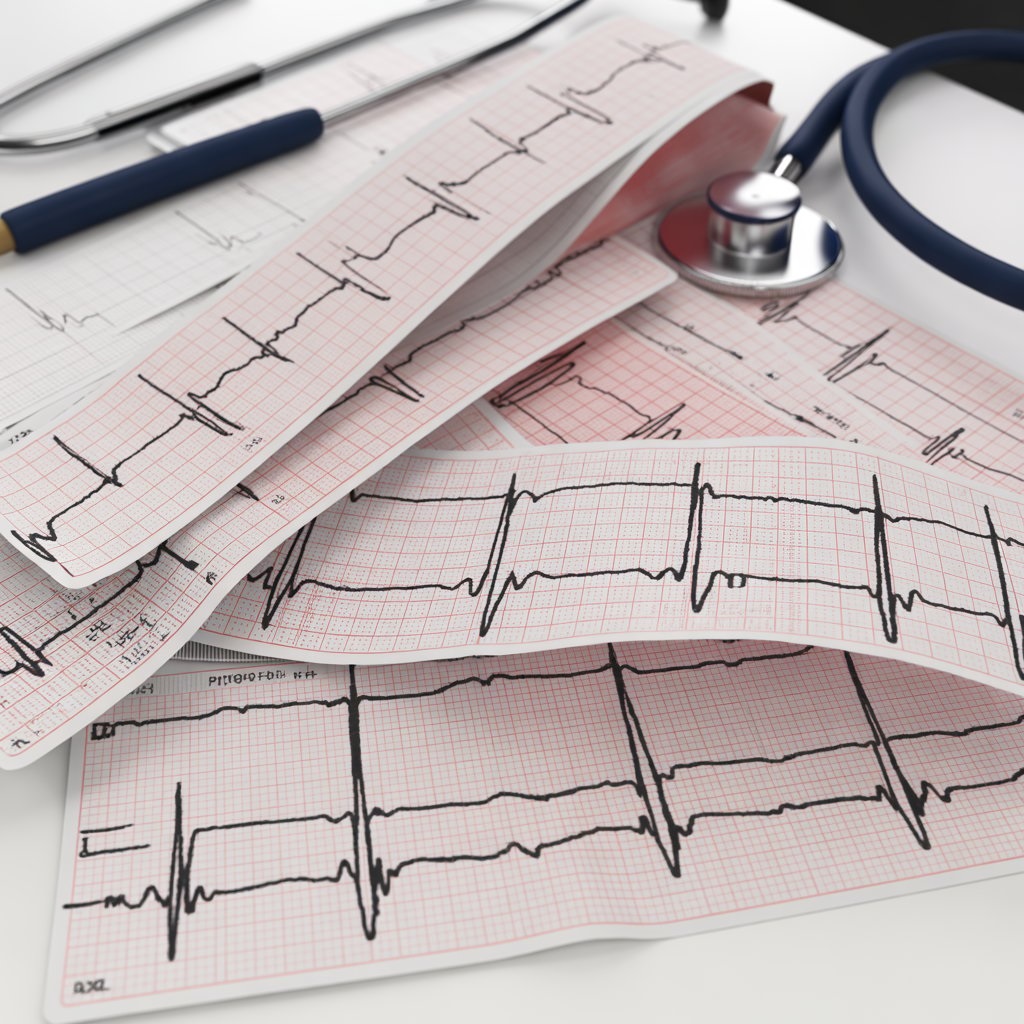
An irregular heartbeat is a condition where the heart’s rhythm becomes uneven because of heart electrical pathway disorders. Doctors call this condition arrhythmia, and it can include both rapid heartbeat and slow heartbeat. The problem begins when the electrical system inside the heart sends signals too fast, too slow, or in the wrong direction. Many patients ask, why does my heart beat irregularly, and the answer is often related to small or major disruptions in the heart’s electrical flow.
When understanding what is arrhythmia, people must know that not every irregular rhythm is dangerous. Some irregular beats are temporary and harmless. However, others like atrial fibrillation, atrial flutter, supraventricular tachycardia, ventricular tachycardia, sinus node dysfunction, and heart block can be serious. These conditions need medical attention, especially if they cause heart palpitations, shortness of breath, dizziness and fatigue, or syncope / fainting.
How Serious Is an Irregular Heartbeat?
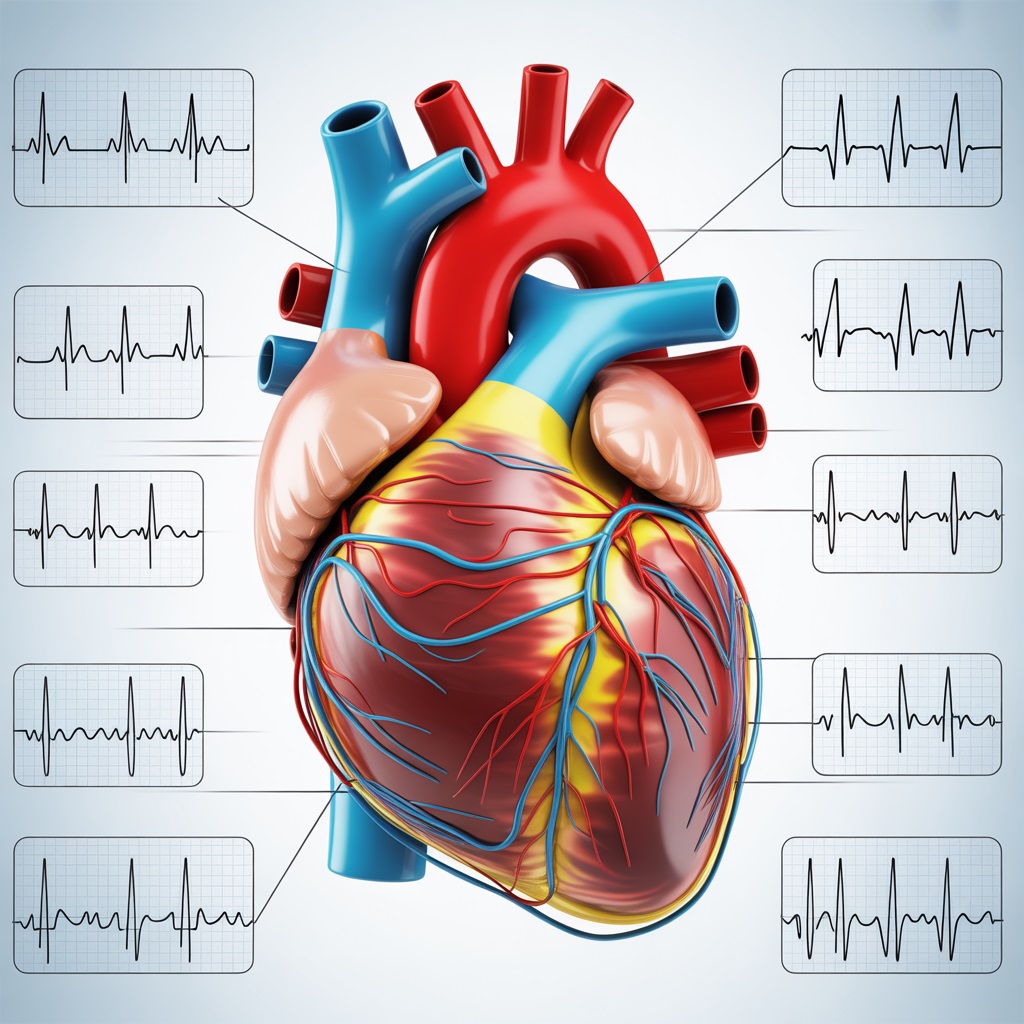
Many people worry and ask, how dangerous is arrhythmia, and the answer depends on the type and cause. Some arrhythmias last only a few seconds and do not harm the heart. Others can interrupt blood flow, increase stroke risk, or raise the chance of sudden cardiac arrest. The seriousness also increases in people with congenital heart defects, past heart attacks, or ongoing heart conditions.
Doctors consider arrhythmias serious if they lead to heart rate irregularities that stop the heart from pumping enough oxygen-rich blood to the body. This condition increases heart failure risk, especially in older adults. In many cases, early diagnosis can prevent severe problems and allow patients to live normally while living with heart rhythm problems.

Types of Arrhythmias Explained
The types of arrhythmias explained include problems that cause the heart to beat too fast, too slow, or irregularly. These include atrialfibrillation, which is the most common type in the USA, ventricular tachycardia, which can be life-threatening, and supraventricular tachycardia, a fast rhythm that begins above the ventricles. People may also experience atrial flutter, sinus node dysfunction, and heart block, all of which disturb the normal heartbeat.
The table below shows common arrhythmias and their characteristics.
| Type of Arrhythmia | Description | Risk Level |
| Atrial Fibrillation | Fast and irregular upper chamber rhythm | High stroke risk |
| Atrial Flutter | Rapid but organized atrial rhythm | Moderate |
| Ventricular Tachycardia | Fast rhythm from lower chambers | High emergency risk |
| Supraventricular Tachycardia | Sudden fast heartbeat | Moderate |
| Sinus Node Dysfunction | Slow pulse causes weakness | Moderate |
| Heart Block | Delayed electrical signals | Variable |
Symptoms and Risk Factors of Irregular Heartbeat
Common symptoms of irregular heartbeat include a strong awareness of heartbeats called heart palpitations, chest discomfort, dizziness and fatigue, and episodes of syncope / fainting. Some people feel shortness of breath, while others notice a sudden fast heartbeat or a very slow pulse. These symptoms often appear during stress, exercise, or rest, and sometimes patients feel nothing at all even when the arrhythmia is dangerous.
Important arrhythmia risk factors include high blood pressure, diabetes, obesity, smoking, and an electrolyte imbalance caused by dehydration or medication changes. Older adults face higher risk, which is why doctors often monitor heart rhythm problems in older adults more closely. Problems like congenital heart defects, thyroid disorders, and long-term alcohol use also increase risk.
Causes of Irregular Heartbeat
The cardiac arrhythmia causes often come from damaged or irritated heart tissue, which affects the electrical signals of the heart. These issues may happen because of clogged arteries, heart attacks, inflammation, or previous surgeries. Sometimes even emotional stress or caffeine can trigger heart rate irregularities. This leads many patients to ask the common question, why my heart beats irregularly, especially when no clear disease is found.
Other causes of arrhythmia include hormone changes, genetic conditions, use of stimulants, and severe electrolyte imbalance of potassium, calcium, or magnesium. People with lung disease or sleep apnea also face higher risk. Understanding these factors helps doctors decide the best treatment options for arrhythmia.
How Is an Irregular Heartbeat Diagnosed?
Doctors use several tests to understand how arrhythmia is diagnosed. The most common test is the EKG / ECG, which records the heart’s electrical activity. When symptoms occur occasionally, doctors may recommend a Holter monitor, which records the heart rhythm for 24 to 48 hours. These tests help find irregular ECG reading patterns that doctors cannot see during a short exam.
Other tests include the cardiac stress test, which checks heart rhythm during exercise, and the tilt table test, used for people with fainting symptoms. Some patients need an electrophysiology study, which maps the heart’s electrical system in detail. These tools act as essential heart monitoring devices that guide diagnosis and treatment.
Treatment Options for Irregular Heartbeat
The treatment options for arrhythmia depend on the cause and type. Some people only need lifestyle changes like reducing caffeine, managing stress, and managing high blood pressure. Others may need medications to slow down a rapid heartbeat or regulate a slow heartbeat. Many people want to know, can arrhythmia be cured, and the answer is yes for some types but not all.
For more serious cases, doctors may use cardioversion therapy, which resets the heart rhythm, or a catheter ablation procedure, which removes areas causing abnormal signals. People with slow rhythms may need pacemaker implantation, while those at high risk of sudden cardiac arrest may require an implantable cardioverter-defibrillator (ICD). These treatments greatly improve survival and quality of life when used early.
Complications & Long-Term Outlook
The major arrhythmia complications include stroke risk, heart failure risk, and reduced energy due to poor blood flow. When the heart pumps irregularly for a long time, blood can pool and form clots, increasing the risk of stroke. Conditions like atrial fibrillation are especially known for raising this risk, which is why early diagnosis and treatment are important.
For long-term outcomes, many people live full and normal lives while living with heart rhythm problems. The long-term effects of arrhythmia depend on overall health, age, and how well patients follow treatment plans. With proper management, many arrhythmias become stable and safe.
Prevention & Daily Management Tips
The best approach for how to prevent arrhythmia includes heart-healthy habits. Simple actions like lowering salt intake, exercising, eating fresh vegetables, and avoiding tobacco can protect your heart. For many people, lifestyle modifications for heart health offer long-term protection. Managing stress and getting enough sleep also reduces irregular beats.
Doctors also recommend home monitoring for irregular heartbeat, especially for older adults or those with repeated symptoms. This helps identify patterns and triggers early. Follow-up visits, medication checks, and managing high blood pressure can prevent the condition from worsening and reduce the need for hospital treatment.
Living With an Irregular Heartbeat (Patient Guide)
Many people want to know how to manage daily life after diagnosis. Arrhythmia in daily life often improves when patients follow simple routines such as taking medicines on time, staying hydrated, and limiting alcohol. People who experience heart palpitations or sudden fast heartbeat can learn breathing exercises to calm their rhythm.
Support groups and regular doctor visits help reduce stress and increase confidence. Even though some patients may worry and ask, is arrhythmia life-threatening, the truth is that many arrhythmias become stable with treatment. Living confidently and understanding the condition makes a big difference.

FAQs About Irregular Heartbeat
When to see a physician for an abnormal heartbeat?
See a doctor if your irregular heartbeat is frequent, lasts several minutes, or comes with dizziness, chest pain, or shortness of breath.
How to treat arrhythmia in children?
Doctors treat arrhythmia in children with monitoring, medication, lifestyle changes, or procedures like ablation if the rhythm problem is severe.
When to worry about heart palpitations in pregnancy?
Worry if palpitations come with chest pain, fainting, breathing trouble, or if they happen often and last longer than a few minutes.
What does a doctor do for an irregular heartbeat?
A doctor checks your heart with tests like ECG, monitors your rhythm, and may give medicine or recommend procedures depending on the type.
Is it serious if you have an irregular heartbeat?
It can be serious if it affects blood flow or increases the risk of stroke, heart failure, or fainting.
What is the 30 second rule in atrial fibrillation?
Atrial fibrillation lasting 30 seconds or longer is considered a true AFib episode and needs medical evaluation.
What can be mistaken for arrhythmia?
Anxiety, acid reflux, muscle spasms, and panic attacks can feel like arrhythmia and cause similar symptoms.
What age does arrhythmia start?
Arrhythmias can occur at any age but are more common in older adults due to heart changes and health issues.
What are the early warning signs of arrhythmia?
Early signs include fluttering, skipped beats, dizziness, fatigue, and shortness of breath.
How lengthy is too long for an arrhythmia?
Any arrhythmia lasting more than a few minutes, especially with symptoms, should be checked immediately.
What are four signs of a cardiac emergency?
Chest pain, severe shortness of breath, fainting, and a sudden fast heartbeat are major emergency signs.
What triggers an irregular heartbeat?
Stress, caffeine, alcohol, dehydration, lack of sleep, and heart disease commonly trigger irregular rhythms.
What helps calm arrhythmia?
Deep breathing, hydration, avoiding stimulants, and resting can help calm mild arrhythmia episodes.
How to tell if your child has heart problems?
Watch for fainting, rapid breathing, poor feeding, blue lips, or unusual tiredness and seek medical advice.
What are the 4 fatal arrhythmias?
Ventricular fibrillation, ventricular tachycardia, pulseless electrical activity, and asystole are life-threatening arrhythmias.
When to worry about an irregular heartbeat?
Worry if it happens often or comes with chest pain, fainting, or trouble breathing.
What activities should you avoid with arrhythmias?
Avoid heavy lifting, extreme workouts, and anything that raises heart rate too quickly if your doctor advises it.
Can a virus cause heart palpitations?
Yes, viral infections can irritate the heart and cause palpitations or rhythm disturbances.
Meta Description
Irregular heartbeat causes, symptoms, and treatments. Learn when to see a doctor and how to manage arrhythmia safely right now!