
What Is Epilepsy? (Overview)
Epilepsy affects millions of Americans and often creates fear because seizures strike without warning. This condition develops when abnormal electrical activity in the brain disrupts how neurons communicate. Many people face recurring episodes that may involve sudden shaking, confusion or staring spells. Some experience generalized seizures while others live with focal onset seizures that begin in one part of the brain. Epilepsy remains a chronic neurological condition, yet effective diagnosis and treatment bring real stability. Doctors study patterns of brain cell dysfunction to find the right plan. Modern testing, advanced therapies and lifestyle changes now help Americans live confidently. This complete guide explains causes, symptoms, diagnosis methods and all treatment options so you can understand every step with clarity and control.
What Causes Epilepsy? (Symptoms + Risk Factors Explained)
Epilepsy grows from many sources. Injuries, infections, strokes, tumors and genetics can disturb the brain’s pathways. Some people develop symptoms after birth problems or metabolic issues. In some cases the cause stays unknown. Each factor shapes how seizure disorder patterns appear and how often they occur.
Symptoms may include confusion, shaking, staring spells or sudden collapse. Emotional stress, lack of sleep, alcohol misuse and flashing lights can increase risk in the USA. Children may show mild warning signs before seizures. Adults may notice sensory changes, rising fear or odd smells seconds before an episode.
Types of Epilepsy and Seizures
Doctors group seizure types based on where they begin in the brain. Focal onset seizures start in one area while generalized seizures affect both sides at once. These patterns help your doctor decide treatment. Each type comes with different symptoms, frequencies and recovery time.
Seizures may include tonic-clonic seizures, absence seizures (petit mal), myoclonic seizures and atonic seizures (drop attacks). Younger people often have one type while adults may have mixed forms. Understanding triggers helps reduce attacks. USA specialists use updated charts to classify patterns more accurately.
Seizure Type Comparison Table
| Seizure Type | Area of Brain | Common Age | Main Features |
| Focal Onset | One side | All ages | Confusion, staring, twitching |
| Generalized | Both sides | Children/Adults | Loss of awareness, shaking |
| Tonic-Clonic | Both sides | Teens/Adults | Stiffness, jerking |
| Absence | Both sides | Children | Staring episodes |
| Myoclonic | Both sides | Teens | Quick jerks |
| Atonic | Both sides | Children | Sudden drop |

How Epilepsy Is Diagnosed (Tests & Medical Evaluation)
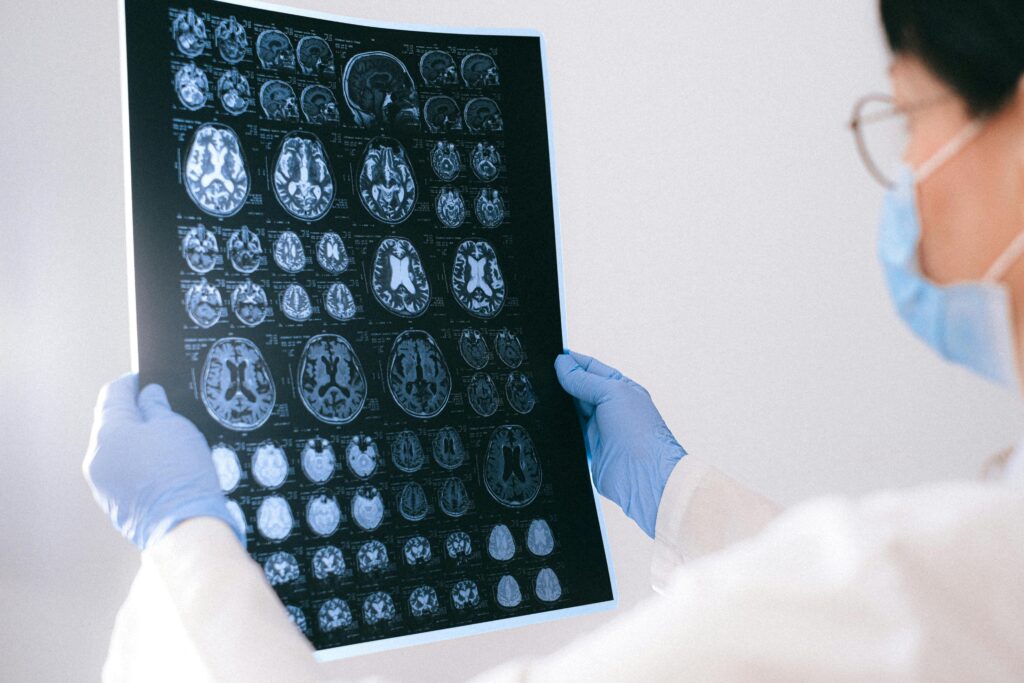
Doctors begin with your medical history and physical exam. They ask about symptoms, injury history and family patterns. They check reflexes, memory and brain function. Tests like EEG and MRI look for abnormal electrical activity in the brain or structural problems.
The EEG reads signals to capture hidden seizure patterns. Imaging tests show tumors, scars or infections. Sometimes doctors use video monitoring to watch episodes. These steps remove confusion between fainting, panic attacks or sleep disorders. Early diagnosis helps build stronger treatment plans.
Remedy options for Epilepsy (medicinal drugs, treatment options & surgical procedure)
Treatment usually begins with antiseizure medicines. These reduce storms of brain cell dysfunction and lower seizure frequency. USA doctors track blood levels to pick the safest dose. Some patients use diet therapy or brain stimulation devices when medicines do not help enough.
Surgery helps remove seizure-producing areas if tests show one clear spot. Options include temporal lobectomy or laser therapy. Some patients receive a vagus nerve stimulator. Advanced hospitals offer personalized plans based on seizure type, age and lifestyle. Many Americans reach full control with modern care.
Medication Comparison Table
| Medication Type | How It Works | Notes |
| Sodium Channel Blockers | Calm brain signals | Common for focal seizures |
| GABA Enhancers | Increase calming chemicals | Helps many seizure types |
| Broad Spectrum | Controls multiple patterns | Useful for mixed epilepsy |
Dwelling With Epilepsy (daily lifestyles, protection tips & help)
Living with epilepsy requires steady routines. Good sleep, stress control and taking medicine on time help you avoid attacks. Many Americans create action plans with their doctors. These plans protect them at home, work and school. Families learn safe steps to support loved ones during episodes.
Driving laws vary by state. Some states require months without seizures. Emotional health also needs care because stress can trigger episodes. USA programs provide counseling, support groups and education. Schools and workplaces must offer fair accommodations under ADA laws. Good habits bring long-term stability.

Complications, Prognosis & Long-Term Outlook
Some people face memory problems, learning issues or mood changes. Medication side effects may appear over time. Rare cases involve breathing problems after severe seizures. Doctors call this SUDEP. Early treatment and regular follow-ups lower these risks. Each plan needs careful monitoring.
Many people with epilepsy live long and healthy lives. Children often outgrow certain seizure types. Adults manage symptoms with lifestyle changes and correct medicine. USA research continues to improve brain monitoring tools. These advances raise hope for safer and more effective treatments.
Prevention & Reducing Seizure Triggers
No method stops every case, but many steps reduce risk. Protecting your head during sports, managing infections early and avoiding alcohol misuse help lower chances. Women benefit from good prenatal care. USA safety programs teach families how to prevent injuries linked with seizures.
Triggers like stress, bright lights, hormonal changes and poor sleep worsen symptoms. Keeping a diary reveals patterns. This helps tailor your lifestyle. Doctors use this guide to adjust medicine or therapy. Consistent routines and safe environments reduce sudden attacks.
Trigger Tracking Table
| Trigger | Description | How to Manage |
| Stress | Emotional pressure | Relaxation exercises |
| Light Exposure | Screens, flashing lights | Filters, breaks |
| Sleep Loss | Irregular sleep | Consistent schedule |
| Alcohol | Heavy drinking | Limitation or avoidance |
Final Thoughts
Epilepsy challenges daily life but strong medical care brings real control. Understanding symptoms and triggers helps you avoid emergencies. Treatment works best when you follow a clear plan. USA specialists continue creating new tools that support long-term health. Knowledge gives you confidence and steady protection.

Frequently Asked Questions (FAQ)
Can epilepsy be cured?
Doctors cannot cure every case yet but treatment controls most seizures.
Is epilepsy hereditary?
Some forms run in families but many do not.
What should you do during someone’s seizure?
Keep them safe, turn them gently to the side and stay calm.
Can people with epilepsy live normal lives?
Yes, many live full and active lives with proper care.
Which foods help prevent seizures?
Balanced diets help. Some use ketogenic plans under medical guidance.
Meta Description
Comprehensive guide on epilepsy causes, symptoms, diagnosis, and treatment to help Americans manage seizures with confidence and clarity.