
Maintaining strong heart health has become a major priority for many people in the USA, especially as diet, lifestyle, and stress continue to affect overall wellness. Choosing the right foods can play a powerful role in reducing cholesterol, improving artery function, and protecting long-term heart wellness. A diet rich in healthy fats, fiber-rich foods, colorful fruits, vegetables, and whole grains can naturally lower LDL levels while supporting the body’s natural healing process. Many experts recommend focusing on foods that reduce inflammation, improve blood flow, and strengthen the cardiovascular system. This 2026 guide explains the best foods that help prevent cholesterol and boost heart health in simple, easy English.
1. Understanding Cholesterol and Why It Matters for Heart Health
Cholesterol is not always harmful. The body needs it to make hormones and support cell function. Problems start when bold LDL cholesterol rises too high or when bold HDL cholesterol becomes too low. A healthy balance keeps the bold cardiovascular system functioning properly. When LDL increases, bold plaque buildup slowly appears inside the arteries, which reduces bold blood flow and increases bold heart attack risk and stroke. This is why foods that lower LDL and increase HDL are important.
Many clinical researchers in the USA explain that diet change is more powerful than medication for many mild to moderate cholesterol issues. Bold clinical studies show that choosing bold fiber-rich foods, bold anti-inflammatory foods, and options containing bold flavonoids / flavanols protects the arteries from bold cellular damage protection. These nutrients also support bold blood pressure control, which further reduces the risk of long-term heart disease.
2. How Diet Affects the Cardiovascular System and Artery Health
The bold cardiovascular system depends on strong arteries, flexible bold blood vessels, and clean passageways so the heart does not overwork. A diet full of bold healthy fat sources, fruits, vegetables, and whole grains can slow or reverse early bold artery plaque. On the other hand, diets filled with processed foods, sugars, and fried items harm artery walls and increase bold inflammation.
When you include more bold nutrient-dense foods, you give the body the fuel it needs to repair itself. Foods rich in bold soluble fiber pull cholesterol out of the bloodstream. Foods high in bold omega-3 fatty acids help the body control bold triglycerides and reduce swelling inside the arteries. This combination supports long-term protection and aligns with the bold dietary guidelines for Americans and bold USDA dietary guidelines.
3. The Role of Healthy Fats in Managing Cholesterol Levels
Many people misunderstand fats. The goal is not to avoid all fats but to choose the right ones. Bold healthy fats from bold fatty fish, nuts, seeds, and oils can improve the heart. These foods provide bold omega-3 fatty acids, which the body does not produce on its own. Fatty fish like bold salmon, tuna, trout, mackerel contain extremely beneficial omega-3s. Studies show these fish help reduce inflammation, improve bold blood flow, and lower bold triglycerides naturally.
Plant sources such as bold walnuts, chia seeds, flaxseed, hemp seedsprovidebold omega-3 ALA (alpha-linolenic acid), also called bold plant-based omega-3. These help lower LDL cholesterol and support better artery function. The key is to avoid foods with bold saturated fats and bold trans fats, which cause inflammation and make cholesterol worse.
Table: Types of Fats and Their Effects
| Type of Fat | Examples | Effect on Heart |
| Healthy Fats | Olive oil, fatty fish, nuts | Improve HDL, reduce inflammation |
| Saturated Fats | Red meat, butter | Increase LDL |
| Trans Fats | Fried foods, processed snacks | Increase LDL, lower HDL |
4. Best Heart-Healthy Foods to Lower Cholesterol Naturally
Choosing bold low-cholesterol foods can slowly clean the arteries and improve long-term health. These foods support strong bold blood vessels, reduce swelling, and provide bold beneficial nutrients. Many of these foods are part of the bold Mediterranean diet and are recommended by heart specialists.
The more you include bold fiber-rich foods, the easier it becomes to control cholesterol. These foods reduce LDL by helping the body remove harmful fats naturally. Items rich in bold antioxidants also support bold cellular damage protection, which keeps artery walls strong.
Table: Top Heart-Healthy Foods
| Category | Examples | Benefits |
| Whole Grains | Oats, quinoa, whole wheat | High bold soluble fiber |
| Healthy Fats | Olive oil, salmon | Improve HDL |
| Fruits | Berries, apples | High antioxidants |
| Vegetables | Spinach, kale | Reduce inflammation |

5. Fatty Fish and Omega-3 Foods
Fatty fish remain one of the strongest choices for improving heart health in the USA. Bold salmon, tuna, trout, mackerel contain high levels of omega-3s that support good cholesterol and improve artery function. These fish are known as bold omega-3 rich foods and help reduce triglycerides, which are another harmful fat in the blood.
People should also be aware of bold mercury exposure in fish. Larger fish may contain higher mercury levels. The FDA offers bold FDA recommendations to choose fish lower in mercury, such as salmon and trout, especially for regular weekly consumption. Plant-based alternatives such as bold walnuts, chia seeds, flaxseed, hemp seeds also help meet omega-3 needs and support bold anti-inflammatory foods intake.
6. Best Fruits and Vegetables for Heart Health
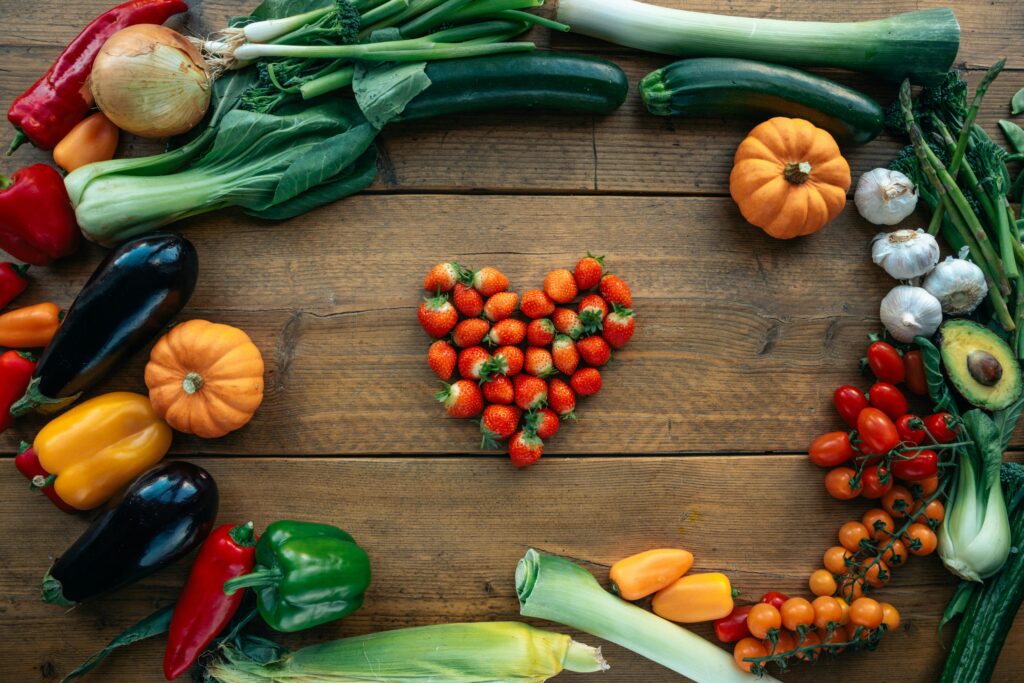
Fruits and vegetables are among the most powerful foods for protecting the heart. Bold berries for heart health provide antioxidants that lower inflammation and improve artery flexibility. Items like bold apples, grapes, mangoes, papaya offer fiber and vitamins that support bold cholesterol levels control. Citrus fruits improve blood flow and reduce artery stiffness.
Vegetables such as bold kale, spinach, Swiss chard, along with bold tomatoes, beets, peppers, offer strong support for overall heart function. These colorful vegetables contain bold phytonutrients, which strengthen artery walls and reduce oxidative stress. Including a variety of colors ensures you get more bold essential nutrients that support long-term protection.
7. Nuts, Seeds, and Legumes
Nuts and seeds are rich in healthy fats and fiber. Bold walnuts, chia seeds, flaxseed, hemp seeds support good cholesterol and improve the body’s ability to remove harmful LDL. These foods also provide bold plant-based omega-3, which is especially important for people who do not eat fish. Their mix of healthy fats and minerals supports stable blood pressure and lower inflammation levels.
Legumes add protein and fiber without adding unhealthy fats. Beans, lentils, and chickpeas lower LDL naturally and help with weight control. Bold soy-based protein such as bold tofu, edamame gives a complete protein source and fits well into a heart-healthy diet. These foods are excellent replacements for red meat and support long-term cholesterol balance.
8. Whole Grains and Fiber-Rich Foods
Whole grains like oats, brown rice, and quinoa play a major role in lowering LDL. Bold oats for cholesterol work because they contain bold soluble fiber, which binds with cholesterol and removes it from the body. These grains help stabilize blood sugar and reduce cravings, making weight control easier.
Bold brown rice, quinoa, whole wheat contain important minerals and vitamins. They also reduce bold inflammation and improve energy levels. Adding more whole grains aligns with the bold dietary guidelines for Americans, which encourage choosing grains that are not stripped of their nutrients.
9. Heart-Healthy Snacks and Daily Meal Ideas
Snacking can help maintain energy levels when done correctly. Bold heart-friendly snacks include nuts, fruits, yogurt, and whole-grain crackers. These snacks support low LDL levels and provide bold essential nutrients without adding harmful fats. Choosing such snacks instead of processed items reduces the risk of bold artery plaque formation.
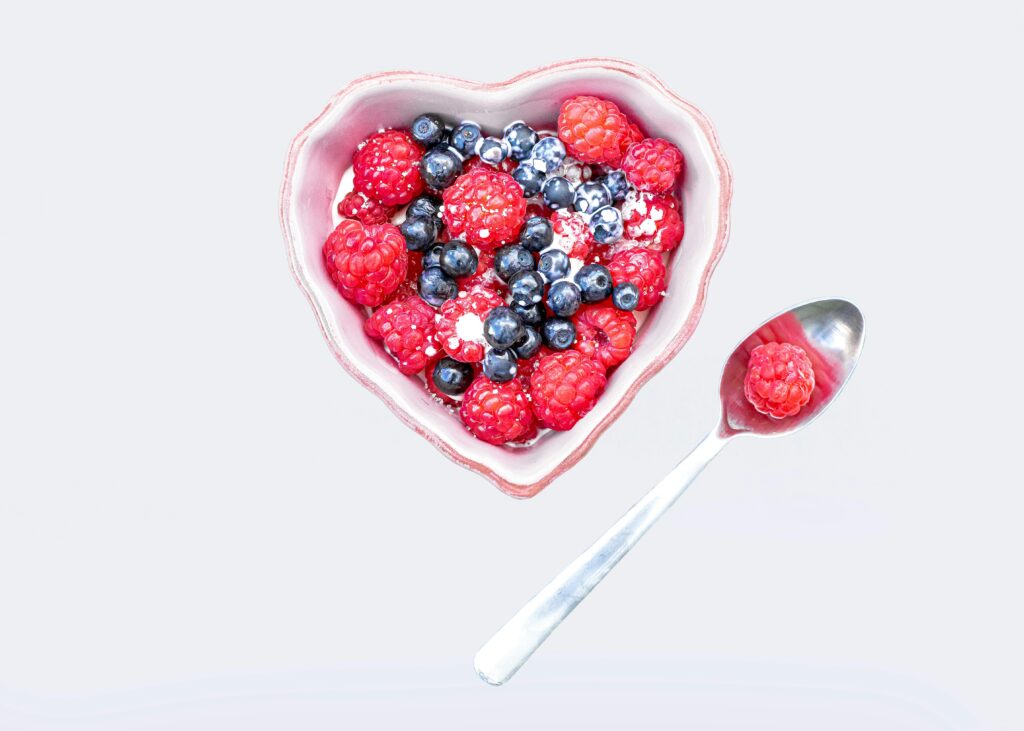
Meal planning also helps people stick to their goals. Many nutritionists suggest simple dishes like oatmeal with berries for bold healthy breakfast options, salads with seeds for lunch, and fish with vegetables for dinner. These meals support better cholesterol balance and align with bold nutritionist-reviewed advice.
10. Grocery List and Daily Diet Changes
A smart grocery list helps you make healthier choices. Try including whole grains, fruits, vegetables, nuts, seeds, and fatty fish. These items align with the bold grocery list for heart healthrecommended by dietitians. Having these foods at home makes it easier to avoid unhealthy snacks and meals.
Daily improvements such as bold portion control, bold food substitutions, and bold moderation in sweets help create long-term success. Even small changes like replacing butter with olive oil or choosing fruit instead of dessert support better cholesterol levels. Over time, these bold daily diet changes create a stronger and healthier heart.
Conclusion
A heart-healthy lifestyle starts with small, consistent food choices that strengthen your body from within. When you include more whole grains, colorful vegetables, nuts, fruits, and clean protein sources, you support lower cholesterol and smoother blood flow. These simple daily habits protect your cardiovascular system, reduce long-term risks, and help you feel more energetic. The right diet becomes a powerful tool for preventing disease and improving overall wellness in 2026 and beyond. If you stay mindful, your heart stays stronger.
Frequently Asked Questions (FAQ)
1. What foods quickly lower cholesterol?
Foods like oats, fatty fish, nuts, beans, apples, and berries help lower cholesterol fast. Their soluble fiber traps LDL in the body, while omega-3 fats improve blood flow and reduce inflammation.
2. How long does it take to reduce cholesterol with diet?
Most people see improvement within 4 to 6 weeks when they follow a heart-healthy diet rich in whole grains, vegetables, and healthy fats.
3. Is it possible to lower cholesterol without medicine?
Yes, many people lower cholesterol through diet, exercise, and weight control. However, some may still need medication. Always follow your doctor’s advice.
4. Are eggs bad for heart health?
Eggs are safe in moderation for most people. The focus should be on reducing saturated fats like fried foods and processed meats.
5. Which fruit is best for lowering cholesterol?
Apples, oranges, grapes, blueberries, and pears are excellent because they contain fiber and antioxidants.
6. What type of fish is best for heart health?
Salmon, sardines, mackerel, and trout are top choices due to their omega-3 fatty acids.
7. Is avocado good for heart health?
Yes, avocados contain healthy fats that help reduce LDL cholesterol and increase HDL cholesterol.
8. What foods should I avoid for cholesterol control?
Avoid foods high in trans fats, fried foods, pastries, processed meats, and excessive full-fat dairy products.
9. Can walking reduce cholesterol?
Yes, regular walking improves cardio health, burns fat, and helps lower LDL levels.
10. How much fiber should I eat daily for heart health?
Experts recommend 25–30 grams of fiber per day, mainly from whole grains, fruits, vegetables, and legumes.
11. Is dark chocolate good for heart health?
Yes, small amounts of dark chocolate (70% or higher) may help improve circulation due to flavanols. Moderation is key.
12. Do nuts raise or lower cholesterol?
Nuts like walnuts, almonds, and pistachios lower LDL due to their unsaturated fats and antioxidants.
13. Can drinking water help reduce cholesterol?
Water helps digestion and metabolism, but diet change has a stronger impact on cholesterol levels.
14. What is the safest oil for heart health?
Olive oil is the best choice because it’s rich in monounsaturated fats that protect the heart.
15. Are supplements needed to lower cholesterol?
Most people can improve cholesterol naturally with food. Supplements like omega-3s can help but must be approved by your doctor.
Meta Description
Discover the best foods in the USA that lower cholesterol, boost heart health, reduce inflammation, and support a stronger cardiovascular system.