
Millions of Americans live with high blood glucose without realizing their bodies are signaling danger. The early warning signs of diabetes often start small a bit of fatigue and tiredness, excessive thirst, or frequent urination at night and are easily dismissed as normal stress or aging. Yet, these subtle clues can reveal serious trouble with blood sugar levels and insulin production. When ignored, they quietly damage the heart, kidneys, nerves, and eyes, leading to long-term complications. Recognizing these early signs and acting fast can make all the difference between prevention and lifelong treatment. Awareness is the first step toward lasting health and balanced living.
What is Diabetes and How Does It Affect the Body?
Diabetes is a long-term condition that happens when your body cannot control blood sugar levels properly. Normally, your pancreas function releases insulin a hormone that helps your cells absorb glucose for energy. When insulin production is too low or the body resists it, glucose stays in the blood, leading to high blood glucose levels. Over time, this imbalance harms your organs and slows glucose regulation.
Here’s a simple comparison of healthy and diabetic blood sugar levels:
| Blood Sugar Test | Normal Range | Diabetic Range |
| Fasting (mg/dL) | 70–99 | 126 or higher |
| After Meal (mg/dL) | Less than 140 | 200 or higher |
| HbA1C (%) | Below 5.7 | 6.5 or higher |
The longer blood sugar levels stay high, the more harm they cause to blood vessels, nerves, and major organs. This leads to diabetes complications like heart problems, kidney failure, and eye damage.
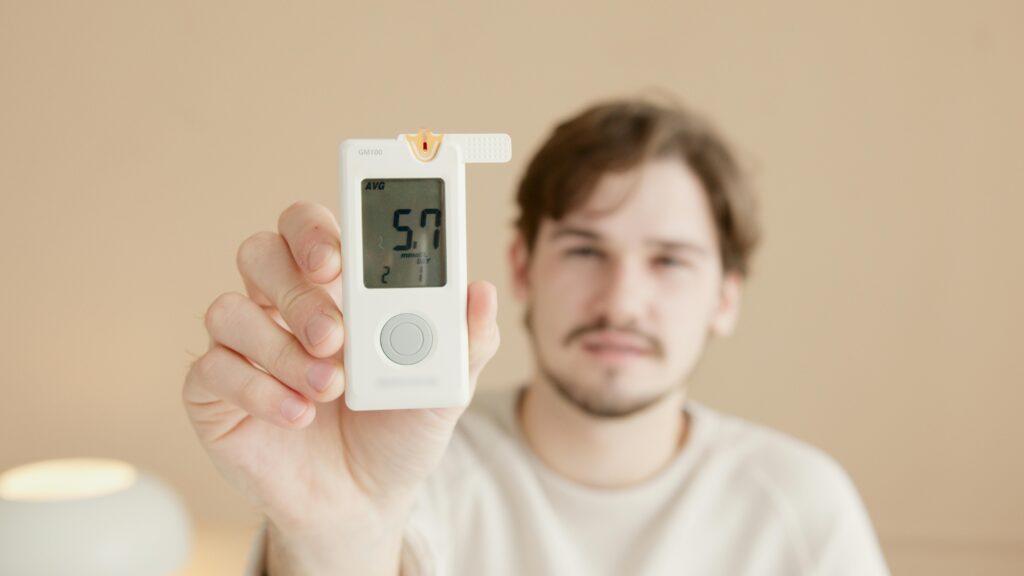
Common Early Warning Signs of Diabetes You Should Not Ignore
The body always gives clues before things get serious. One common early warning sign of diabetes is frequent urination at night, caused by excess glucose forcing your kidneys to work harder. You may also feel excessive thirst because your body loses water as it tries to flush out sugar. Constant fatigue and tirednessis another red flag since cells cannot use glucose for energy properly.
People sometimes notice unexplained weight loss even when eating normally. This happens because the body starts burning fat and muscle for fuel. Others face blurred vision symptom due to fluid shifts in the eyes. Slow healing wounds and itching around genitals from thrush infection are also telltale signs that blood sugar levels are too high. These symptoms may seem ordinary, but together, they paint a clear picture of early diabetes.
Hidden or Less-Known Symptoms of Diabetes
Not all symptoms of diabetes are obvious. Some signs hide behind everyday discomfort. For instance, numbness or tingling in hands or feet could mean nerve damage from diabetes. Some people develop dark skin patches around the neck or armpits, a condition linked to insulin resistance. Others experience frequent infections, gum disease, or diabetic foot problems due to poor circulation.
A small case study from Cleveland Clinic reported that a 46-year-old man ignored minor fatigue and tiredness and occasional blurred vision symptom for over a year. When tested, his blood sugar levels were almost double the normal range. Early treatment helped him avoid severe diabetes complications. These hidden signs remind us that diabetes often whispers before it roars.
Type 1 vs Type 2 Diabetes Key Differences Explained Simply
Both type 1 diabetes and type 2 diabetes affect glucose regulation, but their causes differ. In type 1 diabetes, the body’s immune system destroys insulin-making cells in the pancreas. This leads to zero insulin production, requiring daily injections. In type 2 diabetes, the body makes insulin but can’t use it properly due to insulin resistance.
| Feature | Type 1 Diabetes | Type 2 Diabetes |
| Cause | Autoimmune disorder | Lifestyle and genetic factors |
| Onset | Usually in children or young adults | Common in adults, especially overweight |
| Treatment | Insulin therapy | Diet, exercise, medication |
| Reversible? | No | Possible remission of type 2 diabetes with lifestyle changes |
While type 1 diabetes can’t be prevented, type 2 diabetes is often linked to poor diet, lack of activity, and weight gain. The good news is that timely diabetes lifestyle changes can bring controlled blood sugar management.

Can Diabetes Lead to Other Serious Health Problems?
Untreated diabetes doesn’t stay silent for long. Over time, it triggers a chain reaction throughout the body. Diabetes and heart disease are closely connected because high sugar damages arteries and raises cholesterol. Diabetes and kidney damage occur when excess glucose strains the kidneys, slowly reducing their ability to filter waste. The nerves and eyes are also at risk due to circulation problems.
| Organ System | Possible Complication | Prevention |
| Heart | Stroke, heart attack | Control cholesterol and blood pressure |
| Kidneys | Chronic kidney disease | Stay hydrated, avoid excess salt |
| Eyes | Vision loss, blurred vision symptom | Regular eye exams |
| Nerves | Nerve damage from diabetes | Maintain stable blood sugar levels |
Many of these issues are avoidable through early diagnosis and consistent diabetes diagnosis and treatment.
What is Pre-Diabetes? Early Stage Signs and Why It’s Reversible
Before diabetes arrives fully, there’s a stage called pre-diabetes. In this phase, blood sugar levels are higher than normal but not high enough to be classified as diabetes. The prediabetes symptoms include tiredness after meals, sugar cravings, and gaining belly fat easily. Many people don’t realize that this stage can be reversed with timely diabetes lifestyle changes.
The American Diabetes Association confirms that losing just 5 to 7% of body weight and adding exercises for diabetes can lower risk drastically. The diabetes weight loss benefits also include improved cholesterol and blood pressure, creating a strong defense against full-blown diabetes.
How to Naturally Control or Prevent Diabetes
It’s possible to take charge of your health naturally. Eating a healthy diet for diabetics focused on whole grains, lean proteins, and vegetables supports controlled blood sugar management. Avoid sugary drinks, white bread, and processed snacks that spike glucose. Focus on nutrition and meal planning with balanced carbs, proteins, and healthy fats.
Adding aerobic and strength training exercises, such as brisk walking or light weights, helps improve insulin resistance. These exercises for diabetes also reduce stress hormones that affect glucose regulation. Simple diabetes lifestyle changes like proper sleep, hydration, and portion control can make a huge difference. Over time, these habits can even lead to the remission of type 2 diabetes.
When Should You See a Doctor? (Red Flags You Must Not Ignore)
If you experience frequent urination at night, excessive thirst, or fatigue and tiredness that doesn’t go away, it’s time to visit a doctor. Unexplained infections, itching around genitals, or slow healing wounds are also signals. A healthcare provider can run a diabetes diagnosis and treatment test such as fasting glucose, HbA1C, or an oral glucose tolerance test.
People over 45, those who are overweight, or have a family history of type 2 diabetes should get tested yearly. Early action can save you from serious diabetes complications later. As the announcing goes, “The first-rate time to behave became the day before today the next high-quality time is these days.”
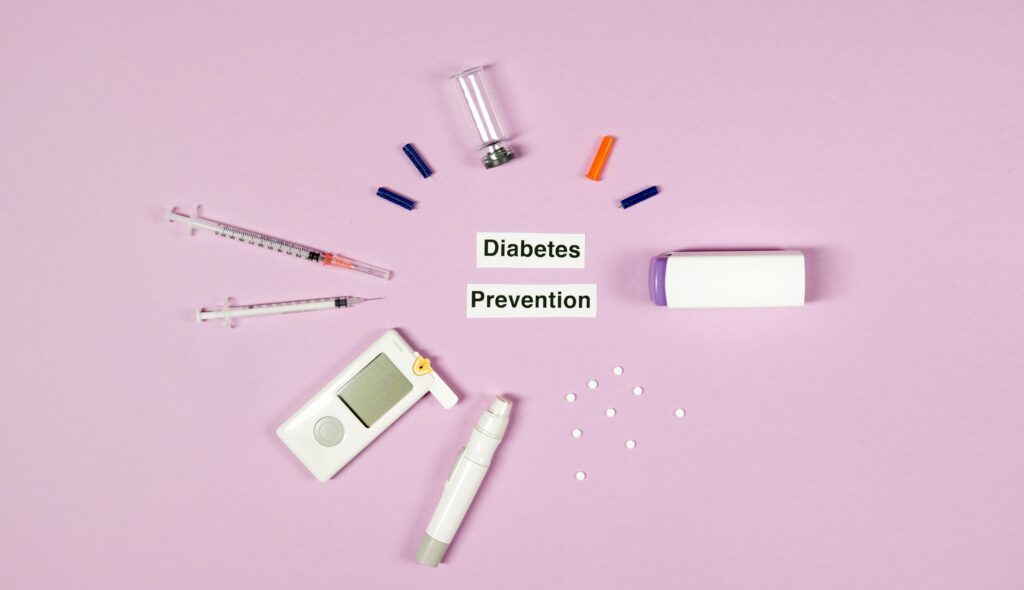
Final Advice Early Diagnosis is the Key to Long-Term Health
Ignoring the early warning signs of diabetes is like driving with a flat tire you might keep going, but not for long. The body constantly sends signals, and it’s up to you to listen. Regular checkups, diabetes lifestyle changes, and proper nutrition and meal planning can help prevent severe diabetes complications. Early detection isn’t just about avoiding disease; it’s about reclaiming energy, vision, and confidence. By taking small steps today, you secure a healthier tomorrow one where blood sugar levels stay steady, and life feels balanced again.
FAQs
How can you detect diabetes early?
You can detect diabetes early through simple blood tests that measure blood sugar levels, such as fasting glucose, A1C, or an oral glucose tolerance test.
What is the 15-minute rule for diabetes?
The 15-minute rule means if your blood sugar drops below 70 mg/dL, eat 15 grams of fast-acting carbs, wait 15 minutes, then recheck your levels.
What is the early detection method of diabetes?
Early detection involves routine screening of blood glucose and A1C levels, especially for people with risk factors like obesity or family history.
Can early signs of diabetes be prevented?
Yes, with regular exercise, a healthy diet, and maintaining proper blood sugar control, early signs can often be prevented or reversed.
What vitamin deficiencies cause diabetes?
Low levels of vitamin D, vitamin B12, and magnesium have been linked to increased risk of insulin resistance and diabetes.
What are the 4 cardinal signs of diabetes?
The four main signs are excessive thirst, frequent urination, unexplained weight loss, and constant fatigue and tiredness.
Meta Description
Detect and prevent diabetes early with blood tests, symptom awareness, healthy eating, exercise, and proactive screening.