


Overview
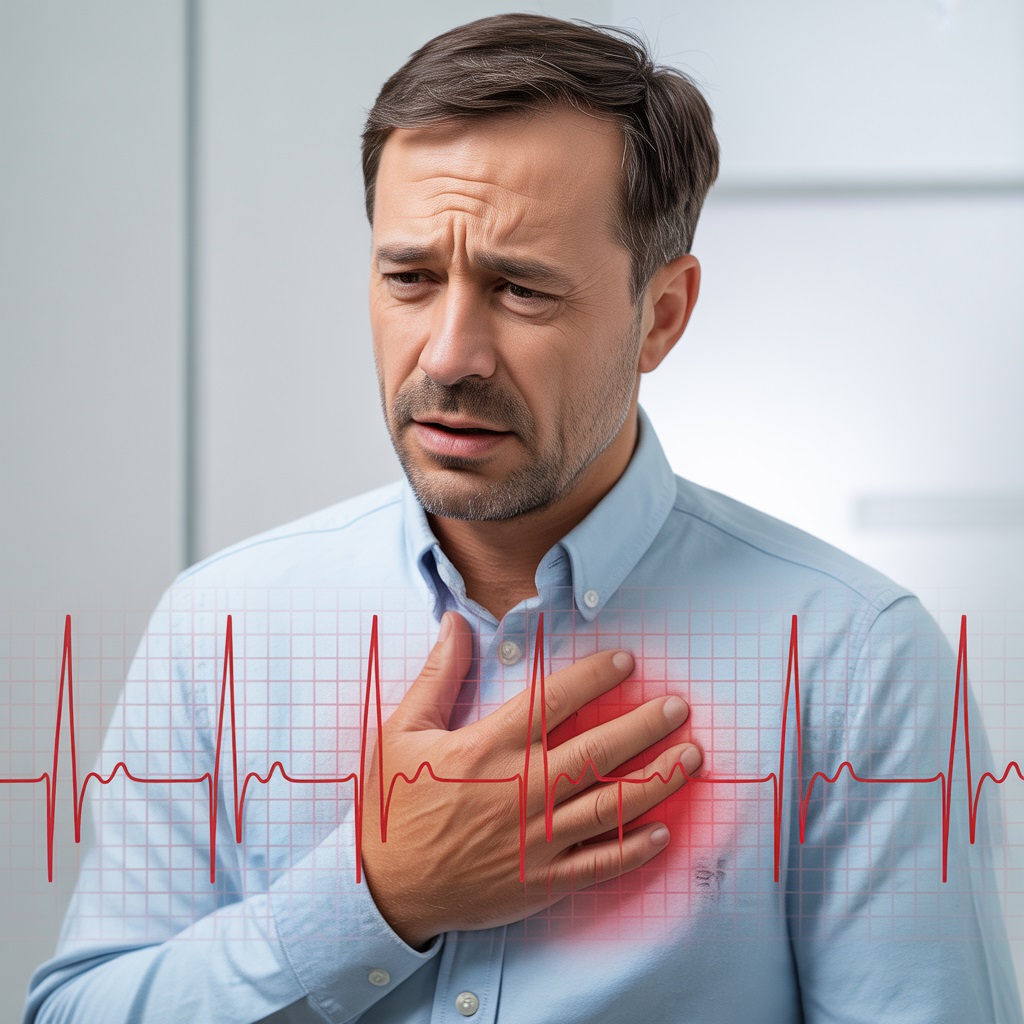
A Heart Attack disrupts blood flow to your heart which creates sudden chaos inside your body and steals oxygen from your cardiac muscles. You feel shaken because the event strikes without mercy while coronary arteries, oxygen loss, and intense pressure collide to create a dangerous medical emergency.
What is a heart attack?
You experience a heart attack when your heart muscle becomes starved of blood due to an abrupt blockage. Your circulation weakens fast as plaque buildup, restricted flow, and collapsing tissue threaten survival. When minutes slip by untreated the damage grows and destroys healthy cardiac cells.
What exactly happens during a heart attack?
During this event your artery narrows sharply after unstable plaque ruptures which triggers a clot that stops effective circulation. Your cardiac tissue, oxygen deprivation, and electrical pathways suffer. With every passing moment heart muscle dies which makes immediate action the only shield against permanent harm.
How common is a heart attack?
Across the United States this crisis strikes hundreds of thousands yearly which places heavy strain on families. Many Americans face this danger as lifestyle habits, aging populations, and chronic conditions intensify risk. The widespread nature forces communities to prioritize heart-healthy choices and routine screenings.
Signs and Symptoms
What does a heart attack feel like?
You might feel crushing chest heaviness mixed with sharp spreading discomfort that travels into your shoulders or jaw. Some people sense breathlessness, sweating, and rising fear as their body signals distress. Others experience subtle pressure that still warns of serious cardiac trouble.
What are the symptoms of a heart attack?
Symptoms often include tight chest pain, nausea, exhaustion, or strange upper-body discomfort that refuses to fade. Women may show atypical signs, stomach distress, or unexplained fatigue. Even mild sensations can hint at underlying cardiac injury which makes early recognition life-saving.
Causes
What causes a heart attack?
This crisis usually develops when plaque inside your arteries breaks unexpectedly which sparks clot formation. The blockage suffocates your muscle as restricted blood flow, arterial inflammation, and chemical imbalance rise. Rarely a sudden arterial spasm may stop circulation even without major buildup.
What are the risk factors for a heart attack?
Major risks include smoking, diabetes, high cholesterol, and long-term high blood pressure. Your chances rise because family history, sedentary living, and overweight patterns strain arteries. Stress, poor sleep, and aging further weaken cardiovascular defenses which increases the likelihood of severe cardiac events.
What are the complications of a heart attack?
After this emergency you may face arrhythmias, weakened pumping strength, or dangerous heart failure. Scarred tissue disrupts electrical rhythm, circulatory balance, and stable blood pressure which can trigger long-term issues. Prompt treatment reduces damage but some complications may persist for years.
Diagnosis and Tests
How do I know if I’ve had a heart attack?
You might suspect one if you feel persistent chest pressure followed by days of fatigue or breathlessness. Doctors check enzyme levels, abnormal rhythms, and unexpected symptoms to confirm previous cardiac injury. Silent episodes sometimes leave clues that appear only during later evaluations.
What tests will be done to diagnose a heart attack?
Doctors use ECG readings, blood tests, echo imaging, and artery scans to reveal underlying damage. These tools measure troponin changes, structural weakness, and blocked pathways. Each test builds a clearer view of your heart so specialists choose the safest treatment path.
Management and Treatment
How is a heart attack treated?
Treatment begins with emergency medication and immediate artery reopening through angioplasty or bypass surgery. Doctors stabilize blood flow, oxygen delivery, and clot reduction to protect muscle. Quick action restores circulation and prevents larger areas of the heart from deteriorating.
Complications/side effects of the treatment
Some treatments cause bruising, dizziness, or temporary heartbeat irregularities. Medications may produce fatigue, blood-thinning effects, or stomach irritation. Surgical methods sometimes lead to infection or swelling although careful monitoring usually prevents serious problems during recovery.
How soon after treatment will I feel better?
You may feel improvement within days although full recovery takes longer as your healing tissue, energy levels, and circulation stabilize. Cardiac rehab supports your strength while guiding safe movement patterns. Most patients regain steady comfort with consistent follow-up care.
Prevention
Can a heart attack be prevented?
Many episodes can be prevented because healthier routines strengthen arteries and reduce harmful buildup. Small shifts in nutrition quality, daily activity, and regular screenings create big changes. You protect long-term heart function when you stay mindful of blood pressure and cholesterol.
How can I lower my risk?
You lower risk when you quit smoking, maintain movement, and control medical conditions. Balanced diets support artery health, cholesterol stability, and strong circulation. Managing stress and sleep also reduces strain on your cardiovascular system and improves your overall resilience.
Living With
How do I take care of myself?
After recovery you build new routines that protect your heart including steady exercise, medication consistency, and mindful eating. You watch warning signals, blood pressure, and energy changes because these reveal how well your system adapts. Kindness toward your body becomes essential.
When should I see my healthcare provider?
Visit your provider when symptoms shift unexpectedly or medications feel ineffective. Regular checks track heart strength, arterial function, and lifestyle progress which guide your next steps. Honest communication keeps complications small and promotes long-lasting cardiac stability.
When should I go to the ER?
Go to the ER if chest pressure returns or breathing becomes difficult because these signs may indicate renewed danger. Sudden numbness, intense sweating, or radiating pain deserve immediate attention. Quick response protects your heart from further harm.
What questions should I ask my doctor?
Ask about medication goals, long-term expectations, and safe activity limits. Clarifying treatment options, recovery time, and lifestyle requirements empowers you to manage your health confidently. Understanding each step helps you rebuild control after a major cardiac event.
CONCLUSION
A Heart Attack changes your life quickly yet knowledge helps you regain control. When you stay alert to warning signs, daily habits, and medical guidance you protect your future. Strong awareness encourages prevention and supports a safer path toward lasting heart health.
1. What is a heart attack?
A heart attack happens when blood flow to part of the heart suddenly becomes blocked and the muscle begins to die.
2. What causes a heart attack?
Most heart attacks occur due to plaque buildup that ruptures and forms a clot in a coronary artery.
3. What are common symptoms of a heart attack?
Chest pressure, shortness of breath, nausea, sweating, and pain spreading to the arms or jaw.
4. Can a heart attack feel different for women?
Yes, women may feel fatigue, dizziness, stomach discomfort, or mild chest pressure instead of intense pain.
5. How is a heart attack diagnosed?
Doctors use ECG tests, blood work, and imaging scans to confirm heart damage.
6. What should I do if I think I’m having a heart attack?
Call 911 immediately and rest while waiting for emergency help.
7. How is a heart attack treated?
Treatments include emergency medications, angioplasty, stent placement, or bypass surgery.
8. Can a heart attack be prevented?
Healthy food choices, regular exercise, managing medical conditions, and avoiding smoking lower your risk.
9. What are the long-term effects of a heart attack?
You may develop heart failure, arrhythmias, or reduced heart strength if the damage is severe.
10. When should I see a doctor after a heart attack?
Follow-up visits are essential to monitor healing, adjust medications, and prevent future events.
Meta Description
Learn key signs, causes, and treatments of a heart attack so you can recognize symptoms early and protect your long-term heart health.
