
What is Asthma?

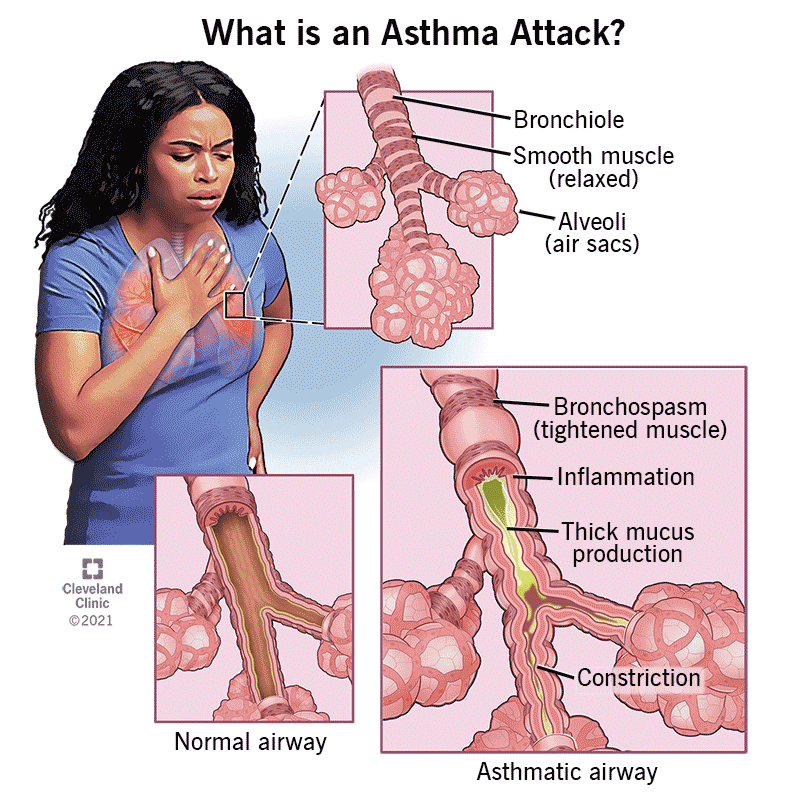
Asthma is a long-term condition where the Airways become swollen due to Inflammation, making it difficult for the Respiratory system to work normally. This swelling leads to airway restriction, repeated Bronchospasm, and difficulty moving air in and out of the lungs. Many experts describe asthma as bronchial asthma, which is a condition that lasts for many years and causes breathing problems that come and go. These changes in the Airways make a person sensitive to different asthma triggers, which can increase symptoms.
Doctors say asthma is influenced by both environment and genetics. Individuals with atopy, eczema and allergies, and a family history of asthma have a higher chance of developing symptoms. When exposed to triggers such as dust, smoke, or pollution, the body reacts strongly, causing asthma flare-ups. Because asthma is a chronic disease, people must learn long-term asthma management strategies to prevent serious asthma complications.
Types of Asthma
Asthma appears in different forms depending on age, lifestyle, and environmental exposure. In the USA, common forms include allergic asthma, which is triggered by dust mites, pollen, or animals; exercise-induced asthma, which appears during physical activity; and cough-variant asthma, where the main symptom is a persistent dry cough instead of wheezing. Many workers experience occupational asthma due to chemicals or fumes in the workplace. More complex cases include asthma-COPD overlap syndrome, which happens when asthma occurs together with chronic obstructive pulmonary disease (COPD).
Children often suffer from childhood asthma, especially if they have eczema (atopic eczema) or food allergies. Adults may experience adult-onset asthma, where symptoms start later in life due to lifestyle, environmental irritants, or infections. Understanding the type of asthma helps doctors choose the right Maintenance therapy, Rescue therapy, or advanced treatments like Biologic therapy for better long-term control.
Symptoms and Causes of Asthma
Asthma symptoms vary but often include shortness of breath, wheezing, chest tightness, and persistent cough. These symptoms usually worsen during exposure to triggers such as pollution, pets, smoke, dust, pollen, or cold air. Many Americans experience symptoms during winter because of cold-weather asthma and during exercise due to physical activity and exercise. Some people show symptoms mainly during respiratory infections such as flu and cold viruses or RSV (respiratory syncytial virus).
Causes include genetic predisposition, family history of asthma, long-term tobacco smoke exposure, and increasing environmental irritants in the USA. People with eczema and allergies or high levels of Immunoglobulin E (IgE) and Eosinophils have a higher risk. Asthma also results from allergens exposure, outdoor pollution, indoor chemicals, mold, and workplace fumes. Many adults develop asthma after repeated respiratory infections, making early prevention extremely important for long-term lung health.
Diagnosis and Tests
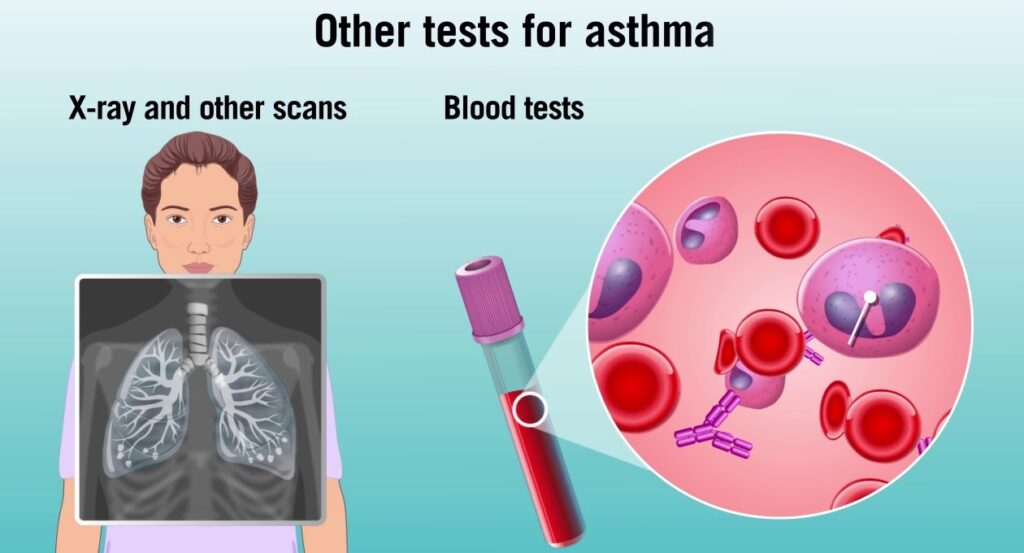
Diagnosing asthma usually requires a medical evaluation by a Pulmonologist or Allergist, followed by several lung function tests. Doctors examine how well the Lung function works by measuring airflow and understanding how much the Airways are affected by Inflammation. The most common tests include spirometry, peak flow measurement, FeNO tests, and allergy testing when allergies / allergic reactions are suspected. These tests help determine the severity of asthma and the level of airway restriction.
A detailed history is also important, including exposure to smoke, pollution, pets, exercise, and past respiratory infections. Sometimes chest X-rays or CT scans are required to check for other issues. In cases involving asthma-COPD overlap, doctors may run additional tests. Many clinics in the USA now use advanced digital tools to monitor breathing patterns and detect early signs of Bronchospasm. Early diagnosis leads to earlier asthma management, reducing severe asthma attacks in the future.
Management and Treatment
Asthma treatment focuses on reducing Inflammation, preventing Bronchospasm, and controlling symptoms. Doctors use a mix of Maintenance therapy and Rescue therapy, depending on severity. Corticosteroids help reduce swelling in the Airways, while Bronchodilators relax airway muscles to ease breathing. Some patients use a Nebulizer, especially children or older adults. Severe cases may require Biologic therapy, which targets Immunoglobulin E (IgE) or Eosinophils to reduce inflammation.
Asthma management includes using inhalers correctly, monitoring symptoms, improving indoor air quality, and strictly avoiding triggers. People must also maintain regular checkups, follow their medication schedule, and address associated conditions like allergies / allergic reactions. Good environmental control at home and work reduces symptoms. Doctors also encourage physical fitness because physical activity and exercise improve lung strength when done safely with proper warm-up and medication.
Prevention and Risk Reduction
Prevention includes asthma prevention strategies such as keeping the home clean, controlling dust, reducing humidity, and improving ventilation to support better indoor air quality. Avoiding smoke, chemicals, cleaning sprays, and strong odors reduces irritation in the Airways. People with allergic asthma benefit from regular allergy treatment and using air purifiers to reduce allergens exposure. Reducing contact with outdoor pollution and keeping windows closed during high pollen seasons also helps.
Lifestyle changes are equally important. Maintaining good weight, staying active, avoiding smoking, and seeking early care for respiratory infections prevent worsening symptoms. Parents of children with asthma must monitor emergency symptoms closely, especially during winter and flu season. Good hygiene during flu and cold viruses season reduces hospital visits. These steps work together to reduce asthma flare-ups and improve long-term health.
Living With Asthma

Living with asthma in the USA means building habits that protect the lungs daily. People learn to track symptoms, understand their asthma triggers, and use treatment tools such as inhalers, peak flow meters, and Nebulizer devices. Some keep symptom diaries to understand how weather changes, exercise, or home conditions affect their breathing. Regular visits to a Pulmonologist ensure the best asthma treatment options are used. Emotional well-being is also important because stress can worsen Bronchospasm.
Families must prepare emergency action plans that explain what to do during severe asthma attacks. This includes identifying early emergency symptoms, using rescue inhalers, and knowing when to call for help. People with cold-weather asthma should use scarves or masks outdoors to warm the air before breathing. Those with occupational asthma need workplace adjustments or protective masks. With a solid plan, most people manage asthma well and live active, healthy lives.
Statistics, Research & Outlook
Asthma affects more than 25 million Americans, and numbers continue to rise due to pollution, climate change, and increased allergens. Research shows that asthma is more common among children, especially in urban areas with high pollution. Studies also show strong links between asthma and eczema and allergies, proving the importance of early allergy management. New research focuses on personalized medicine using Biologic therapy and advanced inhaler technologies for better control.
Future outlook for asthma patients remains positive because modern treatments are more effective than ever. Doctors expect significant improvements in asthma control by 2030 due to digital monitoring, stronger medications, and early detection of Inflammation and Bronchospasm. With continued advancements, patients can expect better quality of life and fewer hospitalizations.
Conclusion
Asthma is a lifelong condition, but with proper knowledge, medical support, and daily care, people in the USA can live normal and healthy lives. Understanding the types, symptoms, and causes helps reduce fear and encourages early action. Using medications correctly, following prevention steps, and improving indoor air quality all reduce asthma flare-ups. Regular visits to a Pulmonologist or Allergist ensure the best treatment. The future of asthma care looks bright with new therapies and better technology for tracking symptoms.
FAQs
What causes asthma?
Asthma is caused by genetic predisposition, allergens exposure, environmental irritants, infections, and long-term Inflammation of the Airways.
Can asthma be cured?
There is no cure, but symptoms can be controlled with proper asthma management, medication, and lifestyle changes.
What is the best treatment for asthma?
Doctors use Corticosteroids, Bronchodilators, Maintenance therapy, and in severe cases Biologic therapy.
Is asthma dangerous?
Yes, untreated asthma can cause severe asthma attacks, but with proper care, most people live healthy lives.
Can exercise help asthma?
Yes, physical activity and exercise strengthen lungs, but people with exercise-induced asthma must use inhalers as directed.
Meta Description
Asthma causes airway inflammation and breathing difficulty, but symptoms can be managed with medication, care plans, and avoiding triggers.