
Introduction
Understanding the difference between angina and a heart attack is crucial for recognizing symptoms and seeking timely medical care. Both conditions are linked to coronary artery disease, yet they differ significantly in severity and outcomes. Angina is often a warning sign — chest discomfort caused by reduced blood flow to the heart. In contrast, a heart attack, or myocardial infarction, involves permanent damage to the heart muscle due to a complete blockage. Knowing how to distinguish between these two conditions can help prevent serious complications and even save lives. This guide will explore their causes, symptoms, treatment options, and why early diagnosis is essential for maintaining cardiovascular health.
Understanding Angina and Heart Attack: What’s the Difference?
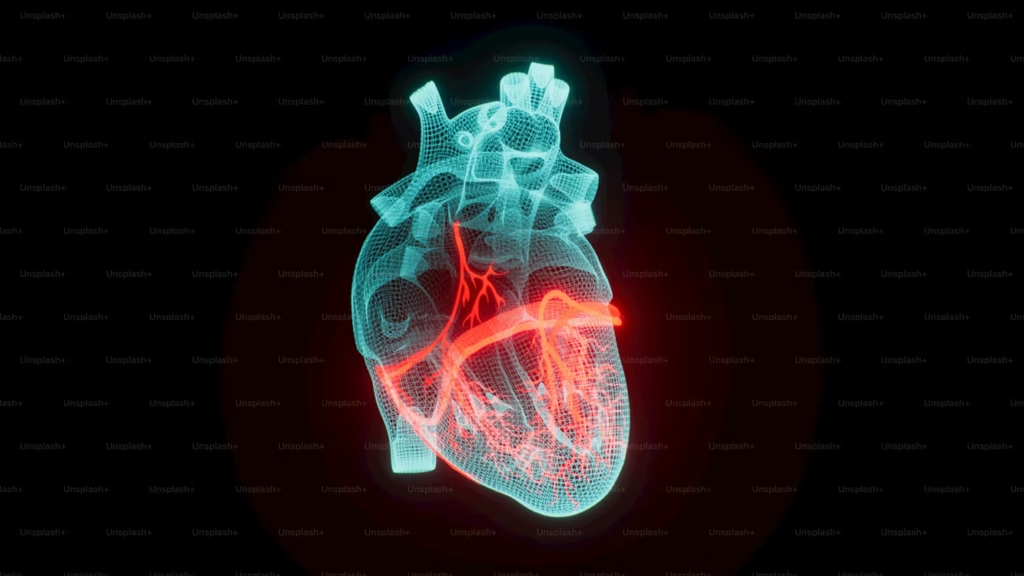
Angina is a symptom. It tells you your heart is not getting enough oxygen. The pain or discomfort is usually caused by reduced blood flow to the heart. It may feel like tightness, heaviness, or pressure in your chest. Sometimes it spreads to your neck, shoulders, or arms.
A heart attack happens when a blockage cuts off blood flow completely. Part of the heart muscle be to die. It usually causes more intense and longer-lasting chest pain. The warning signs can include sweating, dizziness, fatigue, and nausea. Heart attack warning signs need fast treatment.
What is Angina? Causes, Symptoms, and Types
Angina is common. Over 11 million people in the U.S. live with it. It happens when there’s plaque buildup in arteries, making it harder for blood to reach the heart. This means less oxygen supply to heart muscle, causing chest discomfort or pressure. It’s a symptom of coronary artery disease (CAD), not a disease itself.
There are four main types. Stable angina happens during physical activity and angina episodes follow a pattern. Unstable angina is sudden, lasts longer, and doesn’t go away with rest. It is a sign of high cardiac arrest risk. Microvascular angina comes from small vessel disease. Variant angina (Prinzmetal) happens from heart spasms, often at night.
What Happens During a Heart Attack?
A heart attack starts when a blockage forms in the coronary arteries. This happens when there is a buildup of plaque in the arteries, which can break apart and lead to the formation of a blood clot.The clot blocks blood flow, cutting off the oxygen the heart muscle needs.
Without quick treatment, the part of the heart without oxygen begins to die. You may feel crushing pain, clammy skin, or spreading pain to jaw or arm. Many also feel anxiety, shortness of breath, or fatigue. This is a serious emergency that requires fast help.
Angina vs Heart Attack: Spotting the Critical Differences
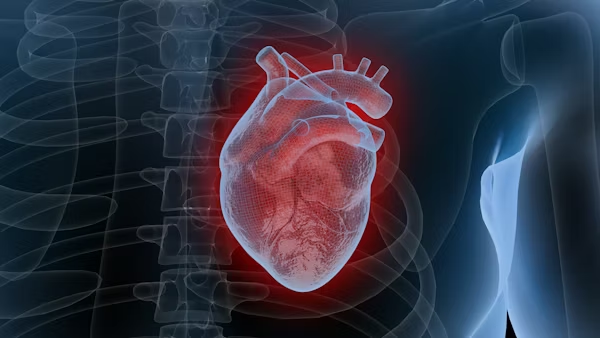
Both conditions cause chest pain, but there are key differences. Angina is often short, predictable, and relieved by rest or nitroglycerin for chest pain. A heart attack lasts longer and does not improve with rest.
Here’s a simple comparison:
| Feature | Angina | Heart Attack |
| Duration | Few minutes | Over 15 minutes |
| Relief | Rest, medication | No relief with rest |
| Cause | Temporary blood flow drop | Complete blockage |
| Risk | Warning | Life-threatening |
Can Angina Lead to a Heart Attack?
Yes. Unstable angina is often a warning that a heart attack is near. It shows that your coronary arteries are getting worse. If untreated, episodes of angina can become more frequent and dangerous.
Angina risk factors include smoking and heart health problems, high blood pressure, high cholesterol, and diabetes. These factors also increase your chance of a full heart attack. So, if you have angina, pay attention. Don’t wait.
What to Do If You Experience Chest Pain or Symptoms
If you feel chest discomfort, especially with sweating, dizziness, or nausea, stop what you’re doing. Rest. If it doesn’t go away in 5 minutes, use nitroglycerin if prescribed.
Still no relief? It might not be angina. It could be a heart attack. That’s when to call 911 for chest pain. Do not drive yourself. Every second counts. Emergency care can save your life.
Diagnosing and Monitoring Heart Conditions (Angina, AFib & Palpitations)
Doctors use tools like ECGs, stress tests, and angiograms for diagnosis. These tests help find symptoms of heart conditions like AFib, palpitations, and angina. They track blood flow, oxygen levels, and heart rhythms.
Monitoring is key. Your doctor may ask you to track episodes of angina, what triggered them, and what they felt like. Keeping a log helps with the right treatment and may reveal patterns over time.
Prevention & Lifestyle: How to Protect Your Heart Daily
To prevent angina or a heart attack, you need to make smart daily choices. These are called lifestyle changes for heart health. Start by quitting smoking, limiting alcohol, and eating less salt and sugar.
Get regular exercise. Even walking 30 minutes a day helps. Control conditions like high blood pressure or diabetes. And take your medications as prescribed. These steps improve oxygen supply to heart and lower your risk.
Managing and Living with Chronic Heart Conditions
Living with angina or after a heart attack means managing your medication, stress, and diet every day. Your doctor may prescribe beta-blockers and calcium channel blockers to help blood flow better.
Rest when needed. Avoid heavy meals. Stay active but don’t overdo it. Watch for new or changing symptoms. You are not alone. Support groups and heart rehab programs help many people live full, healthy lives.
When to See a Doctor and Why Regular Check-Ups Matter
Even if your symptoms seem minor, see your doctor. Regular check-ups can catch heart disease early. They might adjust your treatment or test for other problems.
Don’t wait for pain to become severe. Keep track of episodes of angina, and ask your doctor about your risk for a heart attack. That one visit could prevent a serious emergency in the future.
Conclusion
Understanding what is the difference between angina and a heart attack helps you take better care of your heart. They may feel alike but are not the same. Learn the warning signs, make healthy choices, and don’t ignore discomfort. Always put your heart first. If in doubt, get help fast.
FAQs
How can I tell a heart attack from angina?
Angina usually improves with rest or medication, while a heart attack causes persistent chest pain that doesn’t go away and may include nausea, shortness of breath, or sweating.
Is angina or heart attack worse?
A heart attack is more serious because it causes permanent heart damage, while angina is a warning sign of underlying heart disease.
What is the fastest way to stop angina?
Resting and taking prescribed nitroglycerin typically relieve angina symptoms quickly.
What is a good way to differentiate angina from non-cardiac chest pain?
Angina often occurs with physical activity or stress, while non-cardiac chest pain may be unrelated to exertion and can feel sharper or more localized.
What is the life expectancy with angina?
With proper treatment and lifestyle changes, many people with angina can live a normal or near-normal lifespan.
Meta Description
Learn the key differences between angina and a heart attack, their symptoms, causes, and when to seek urgent medical help.